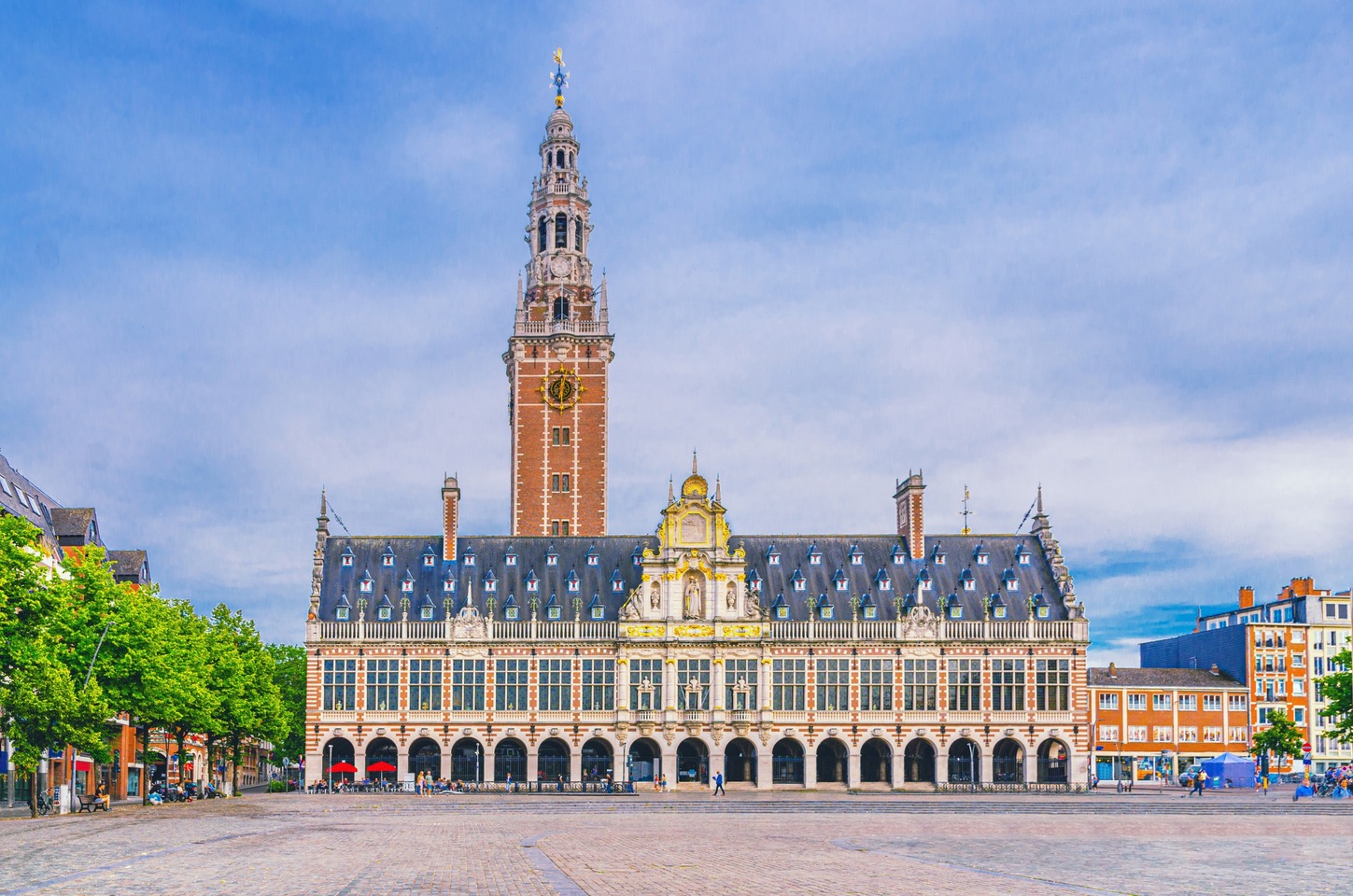
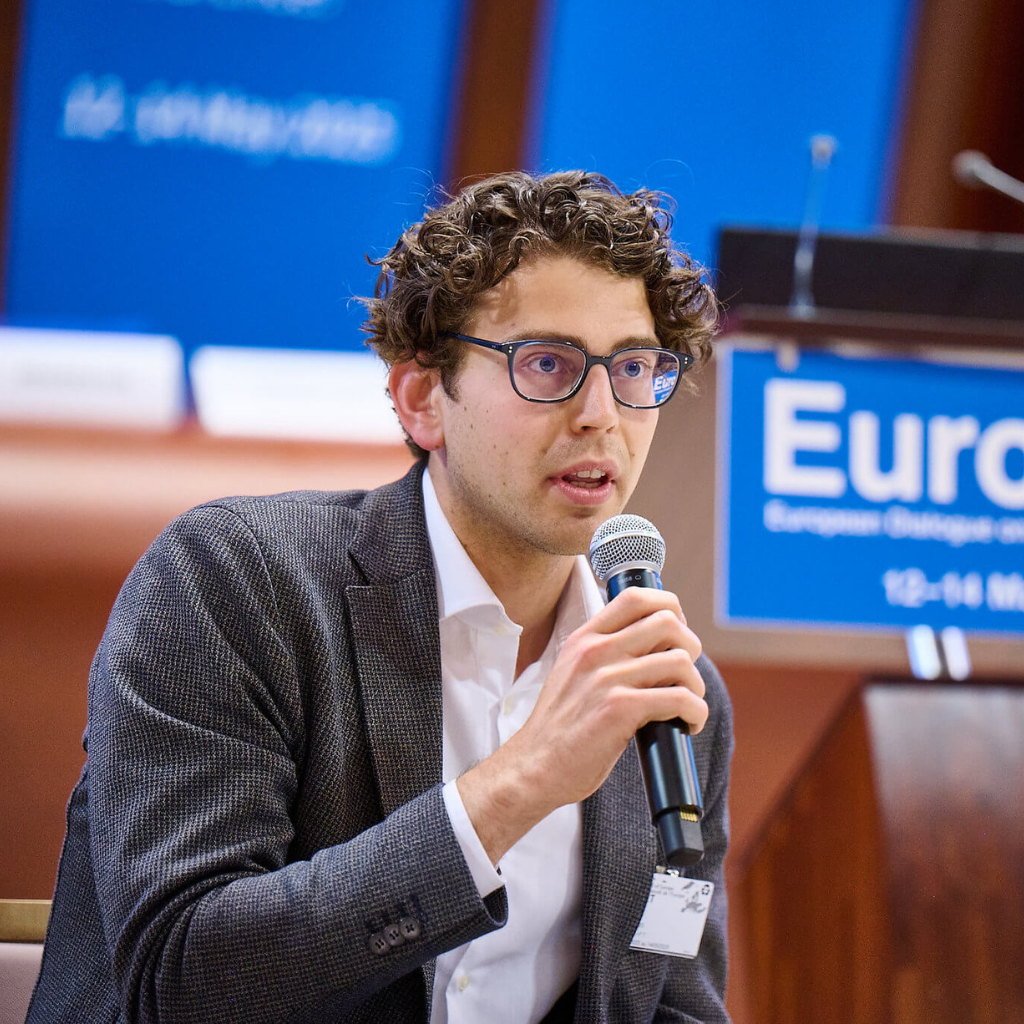
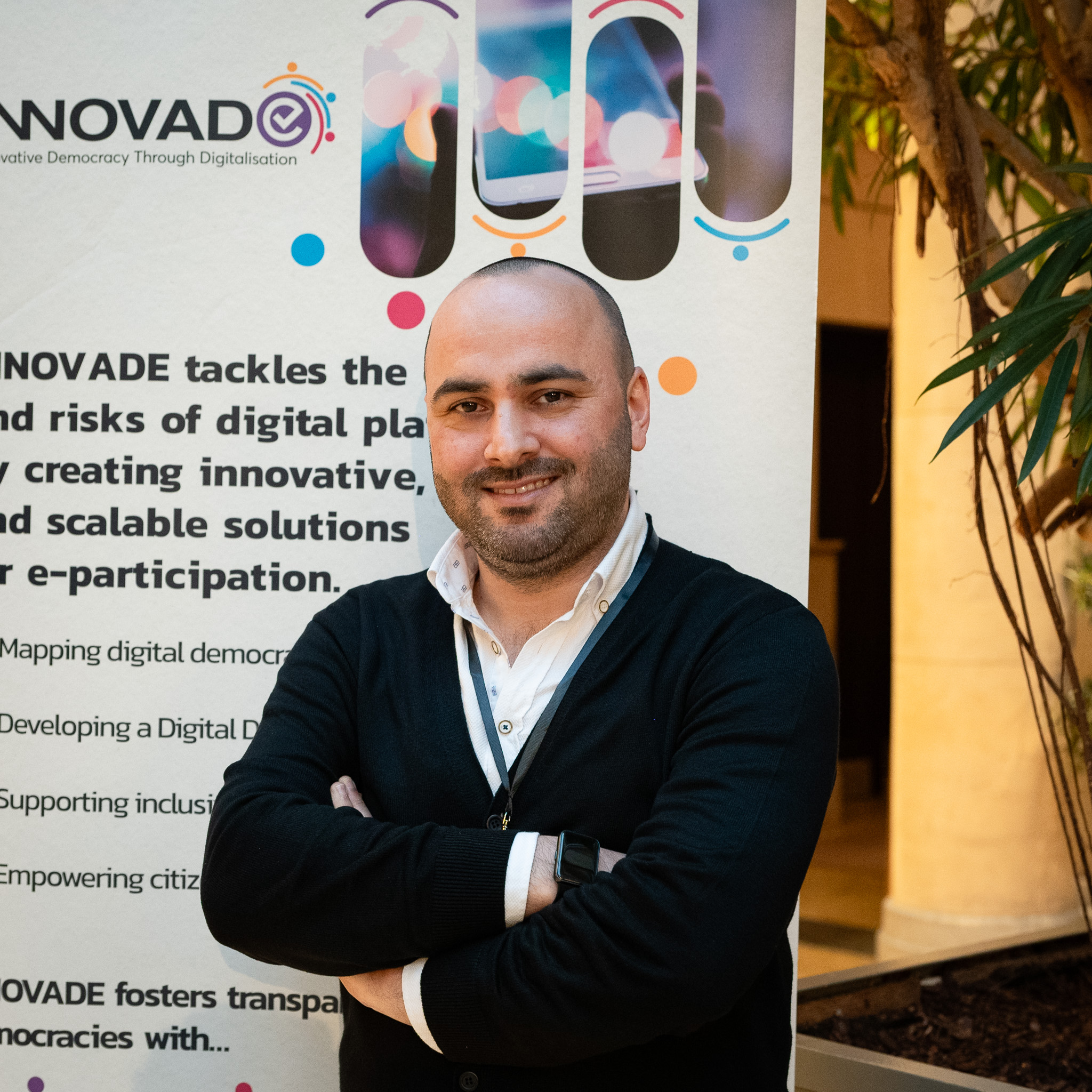
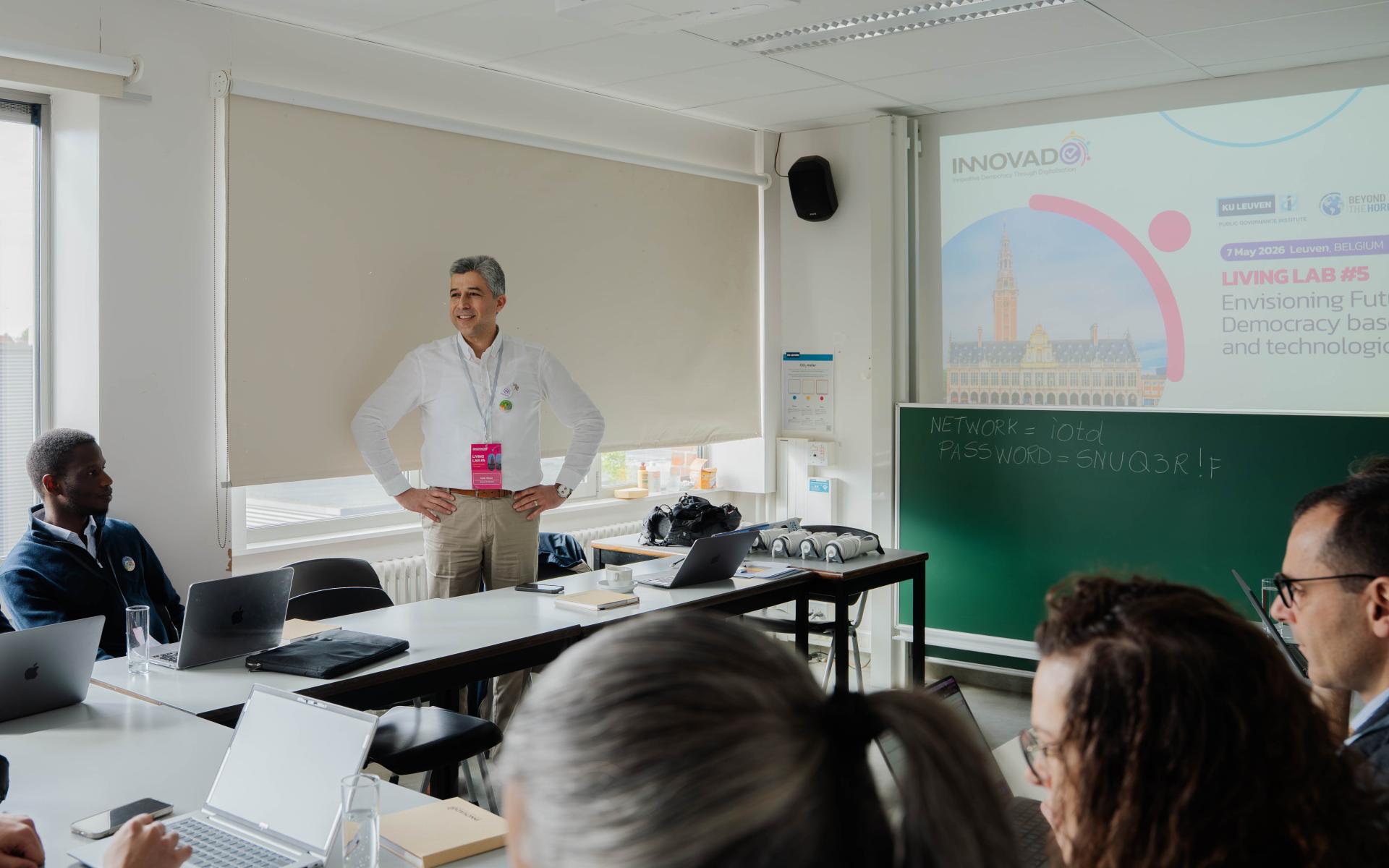
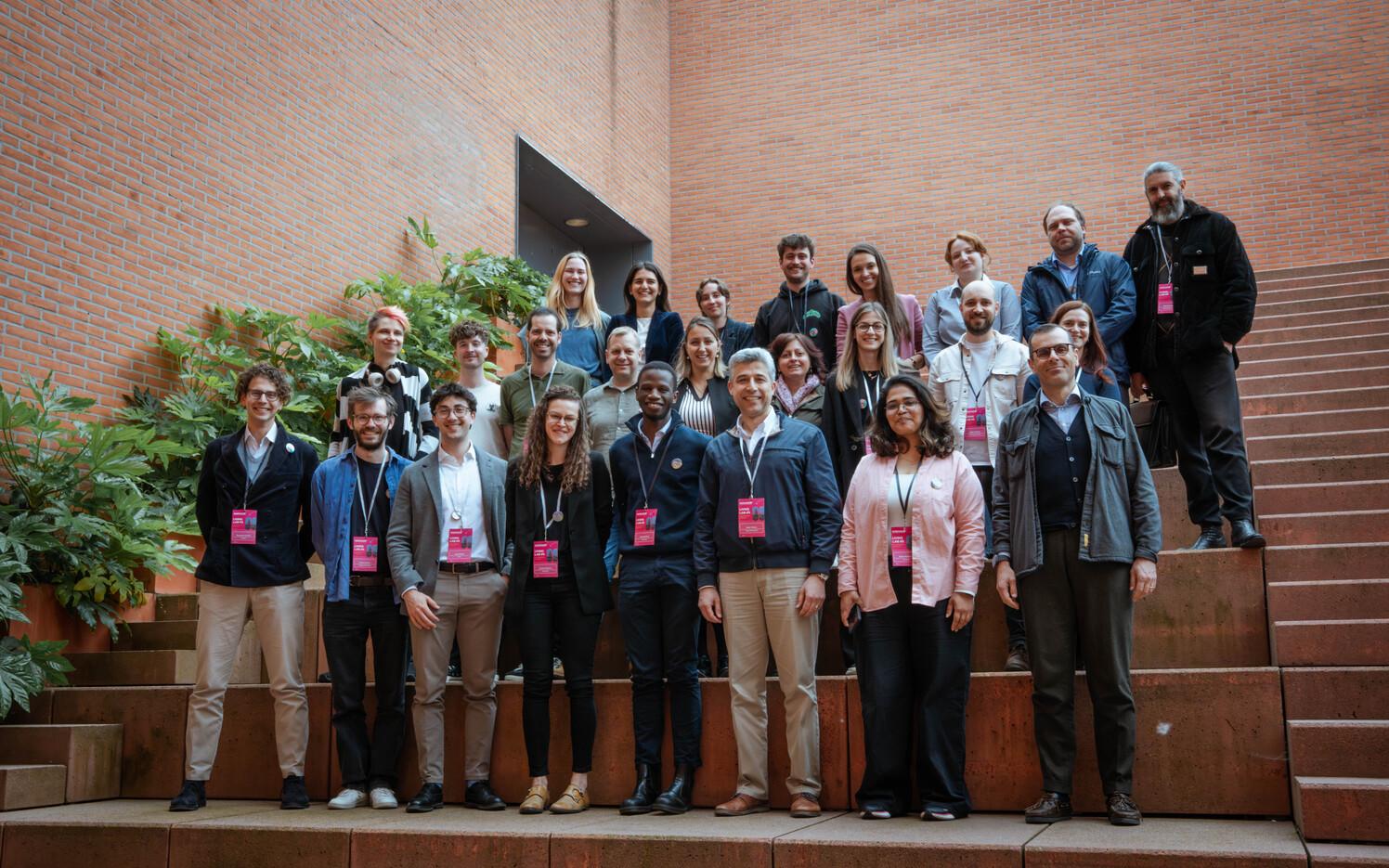
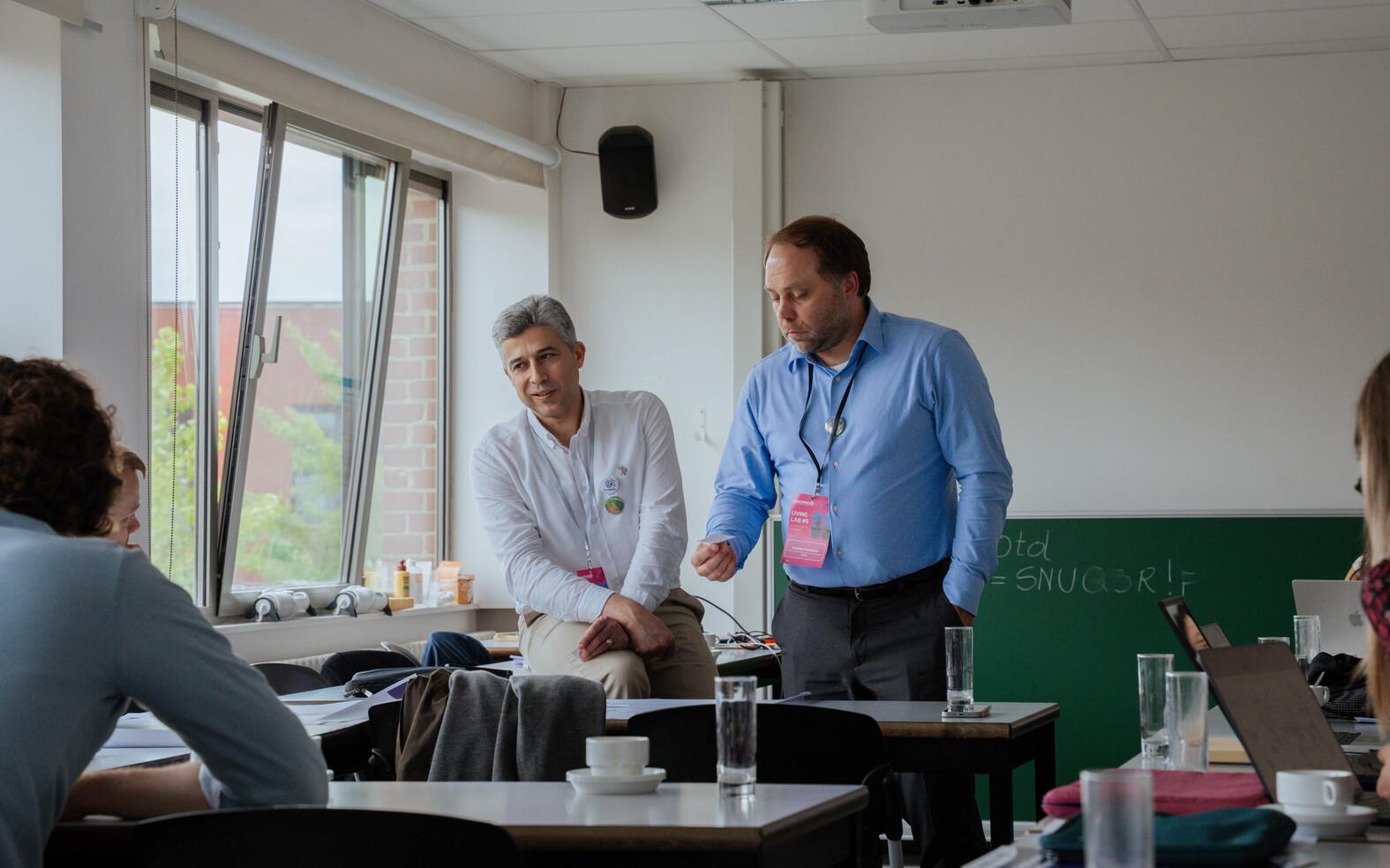
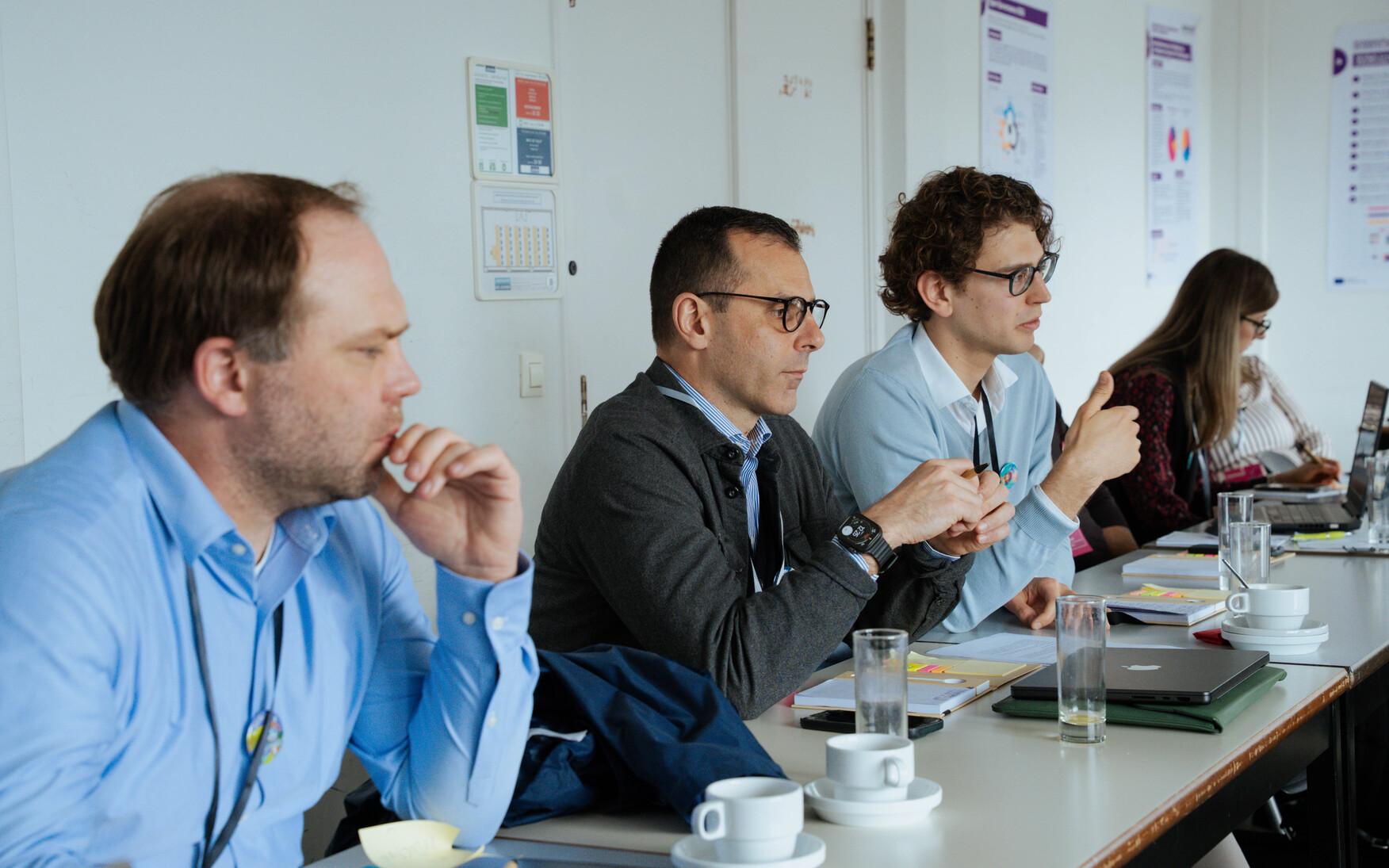
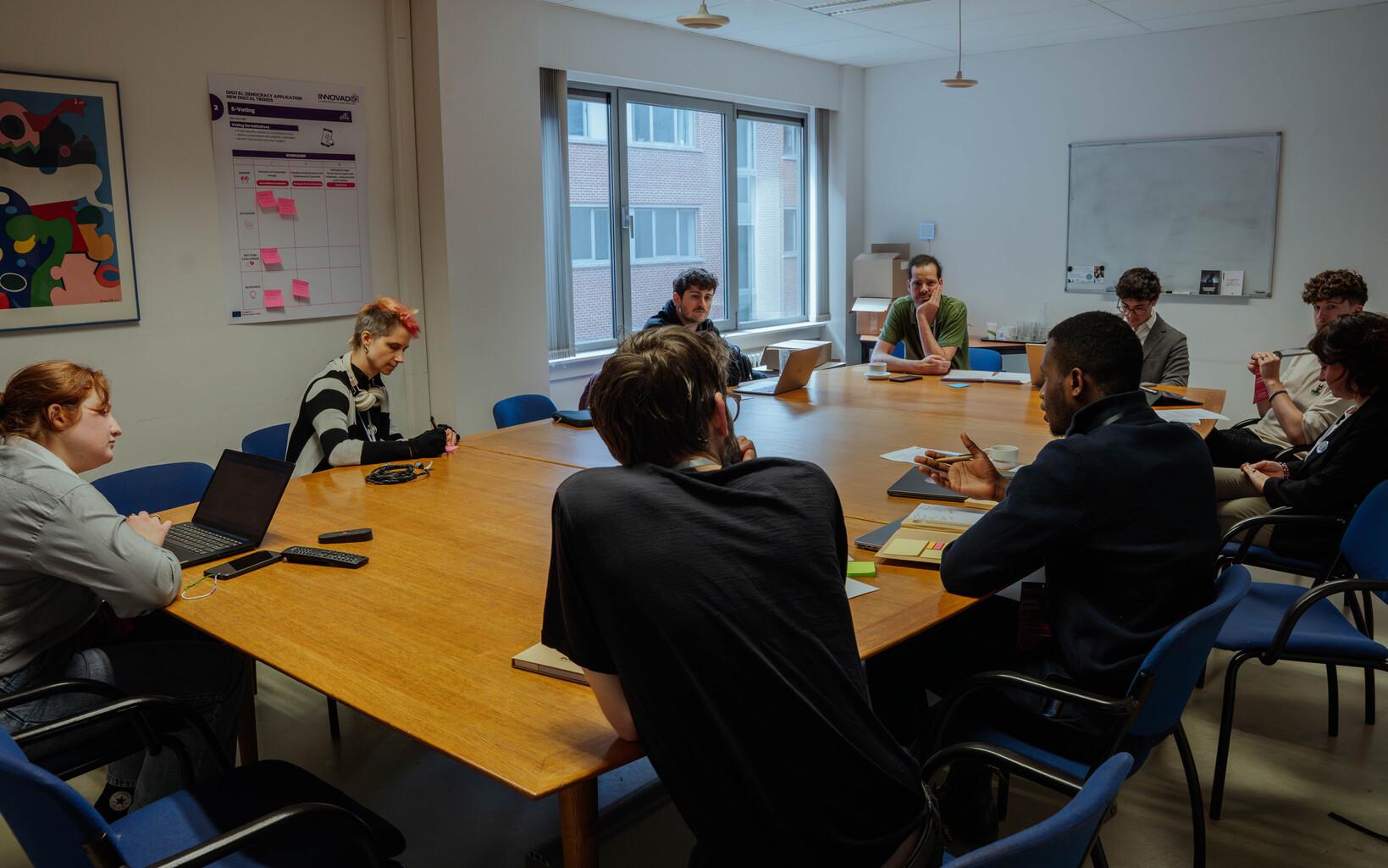
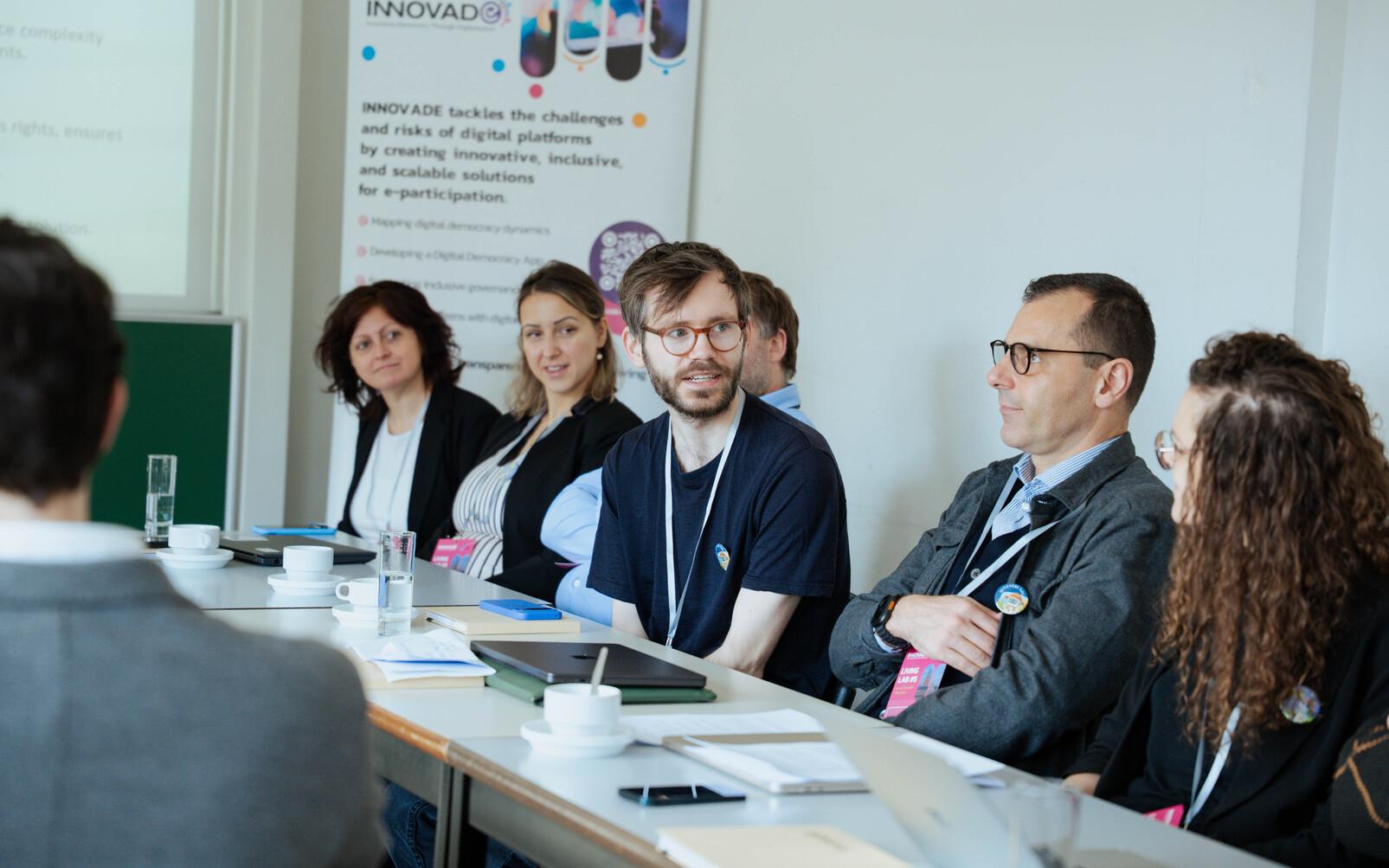
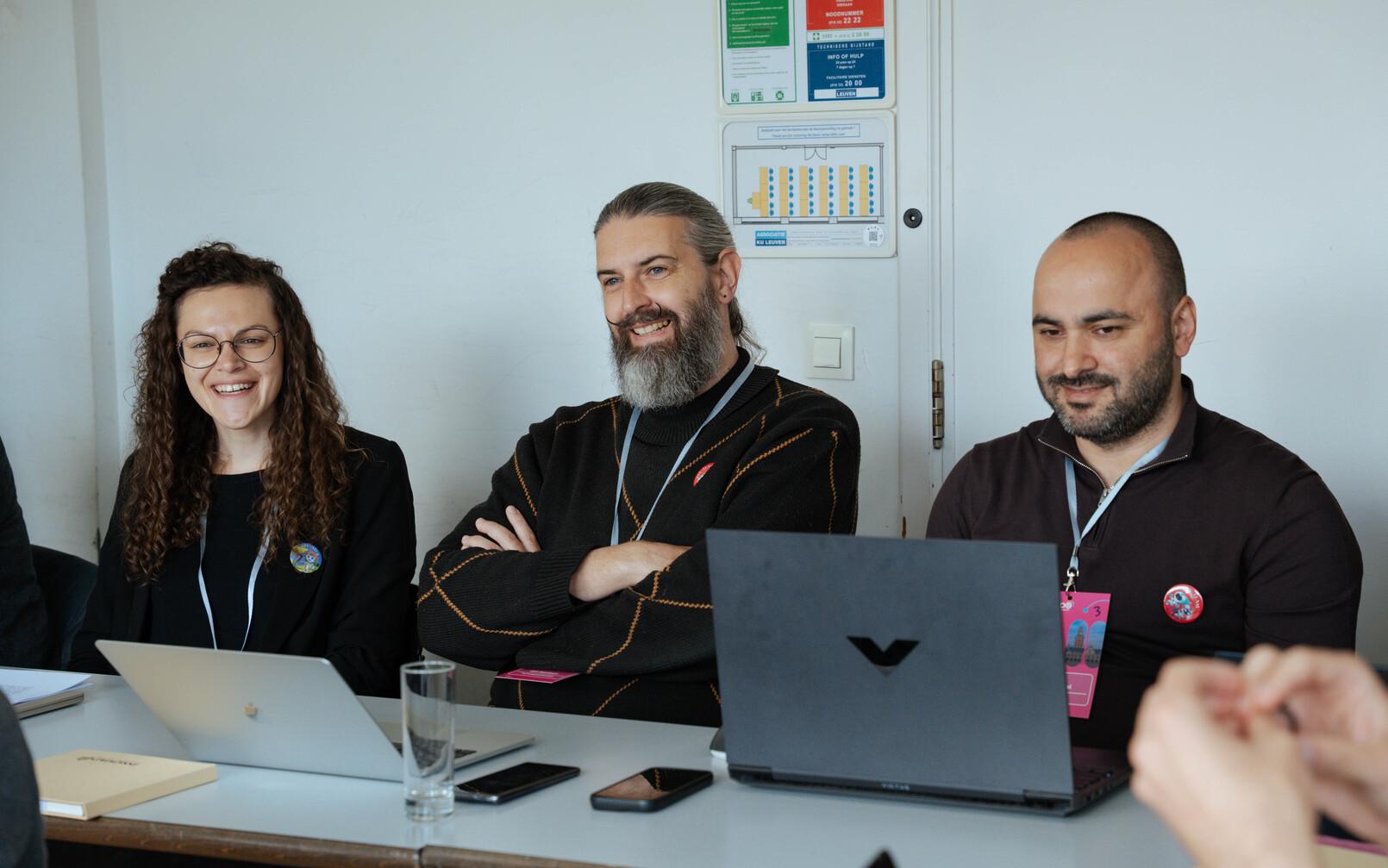
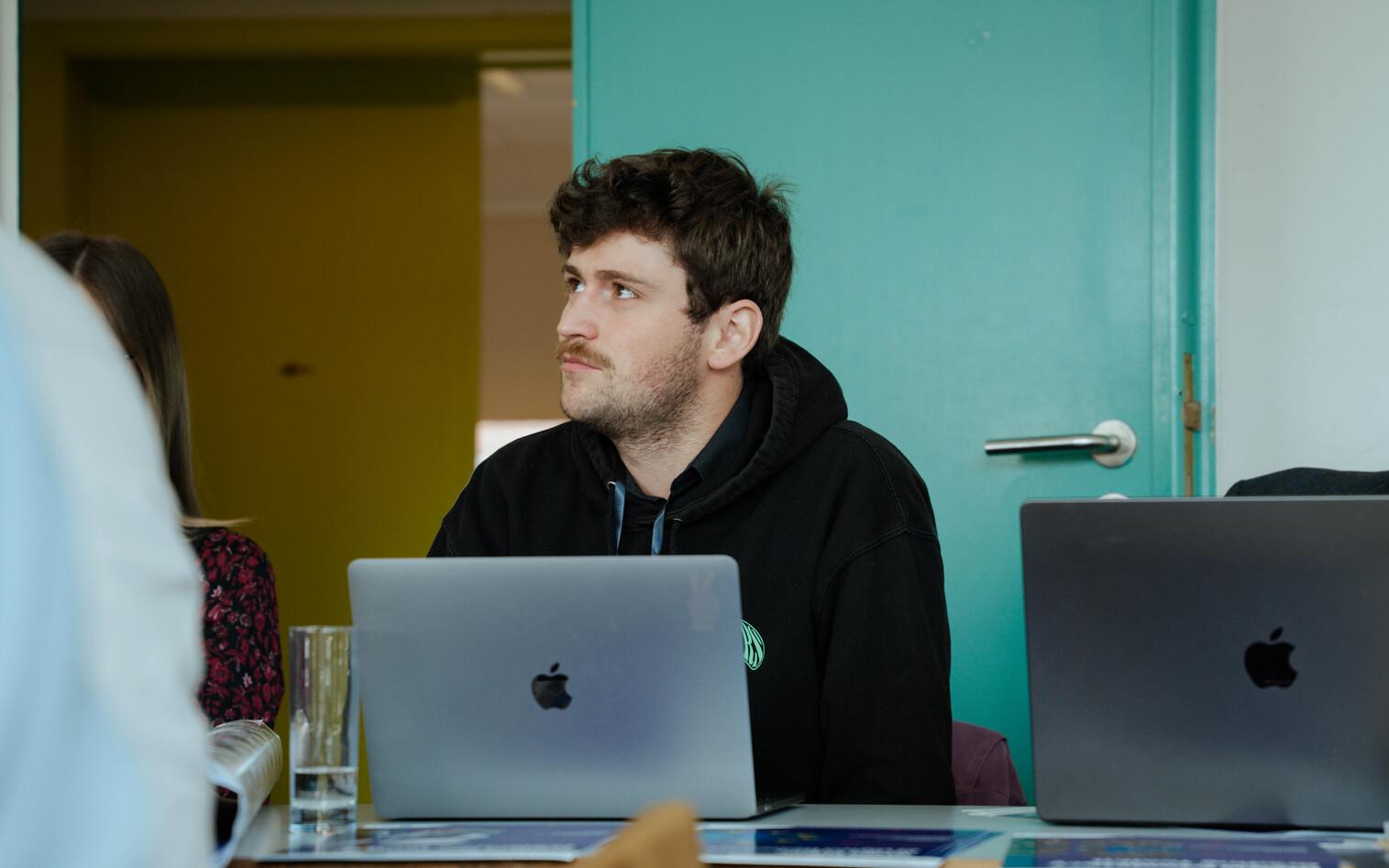
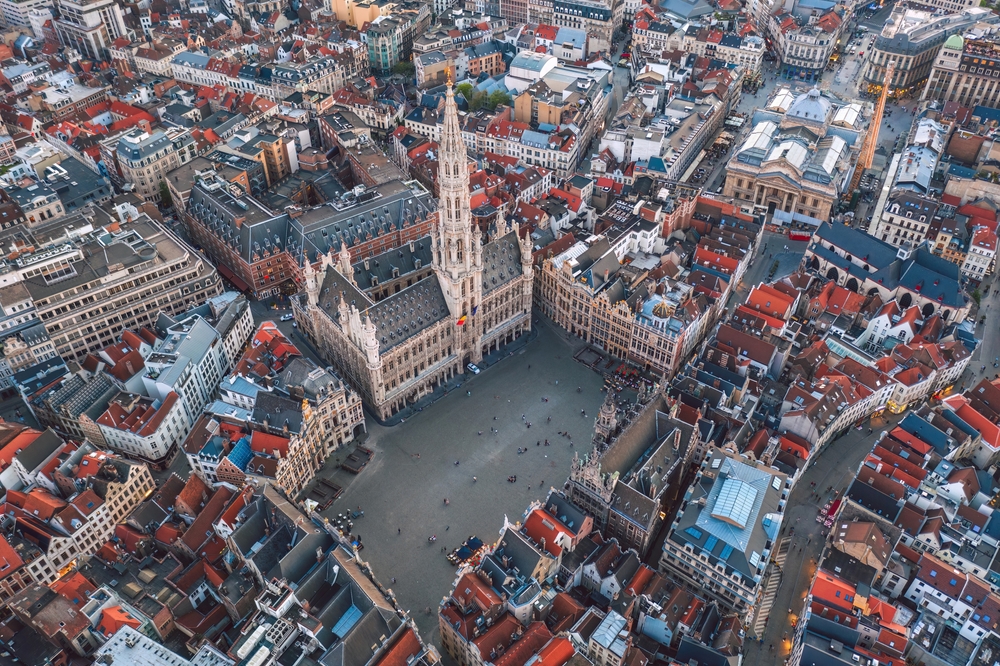
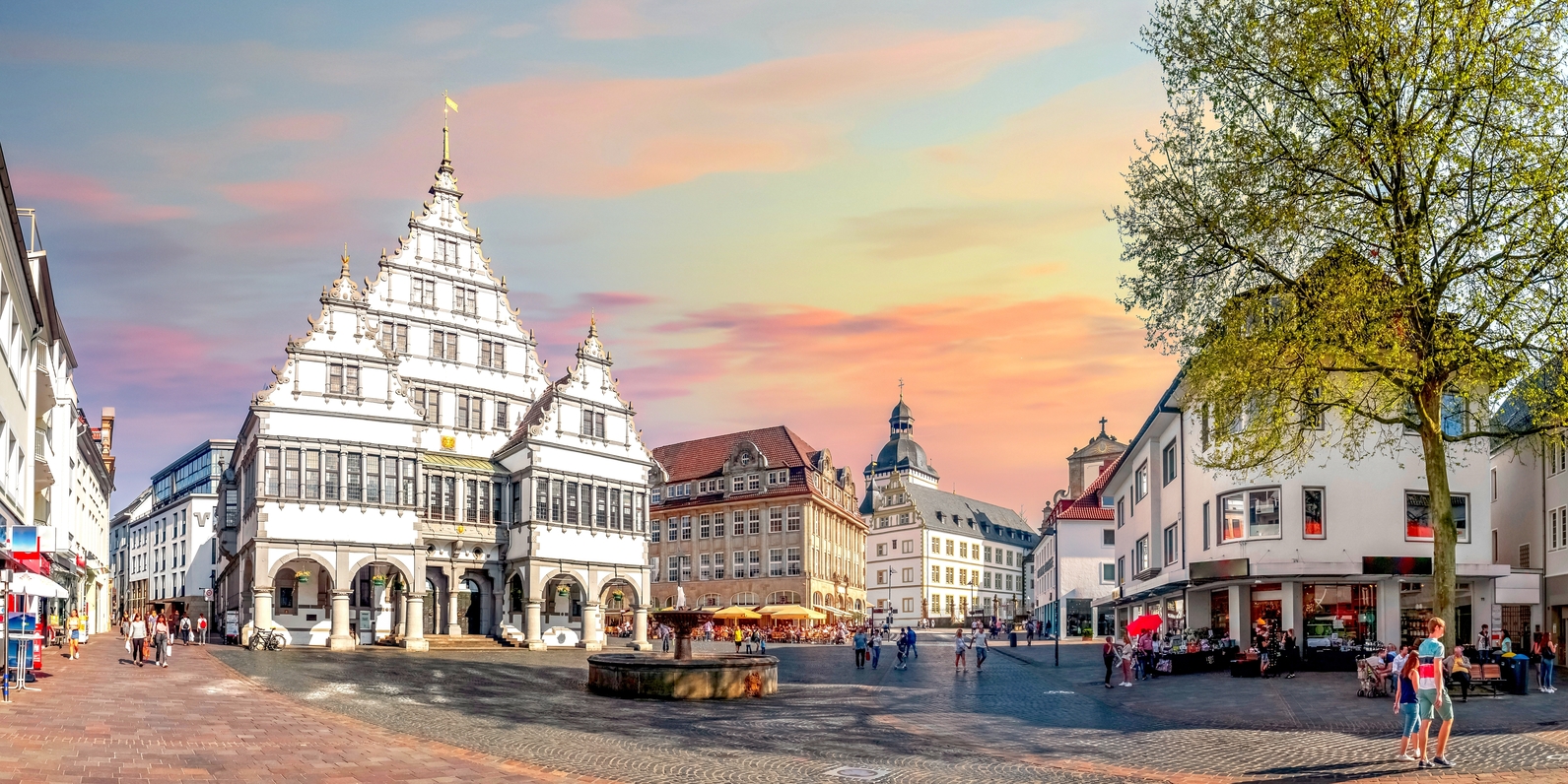
On 7 May 2025, the INNOVADE project convened its fifth Living Lab. The event took place in Leuven, Belgium, bringing together researchers, policymakers, digital developers, legal experts, and civil society representatives to explore how social and technological trends are reshaping digital democracy.
Living Lab 5 set out to:
- Identify key risks and opportunities on the path to a functioning digital democracy
- Examine how emerging technologies — AI, digital identity, social media — are shaping citizen participation tools
- Define the practical conditions for trust, inclusion, accountability, and resilience in digital governance
- Generate actionable input for the project's research and technical work packages, and for future policy recommendations
Structure and Methods
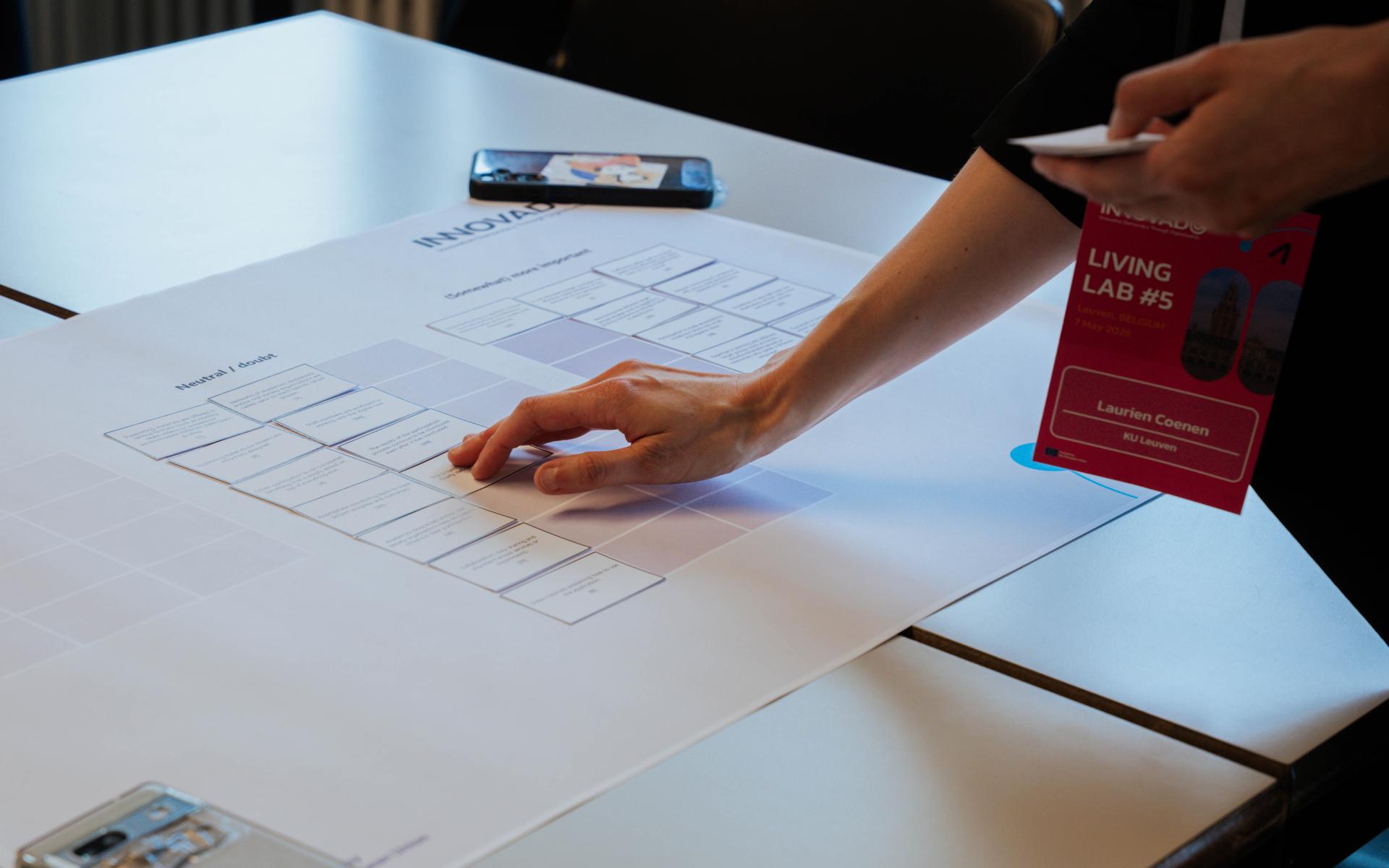
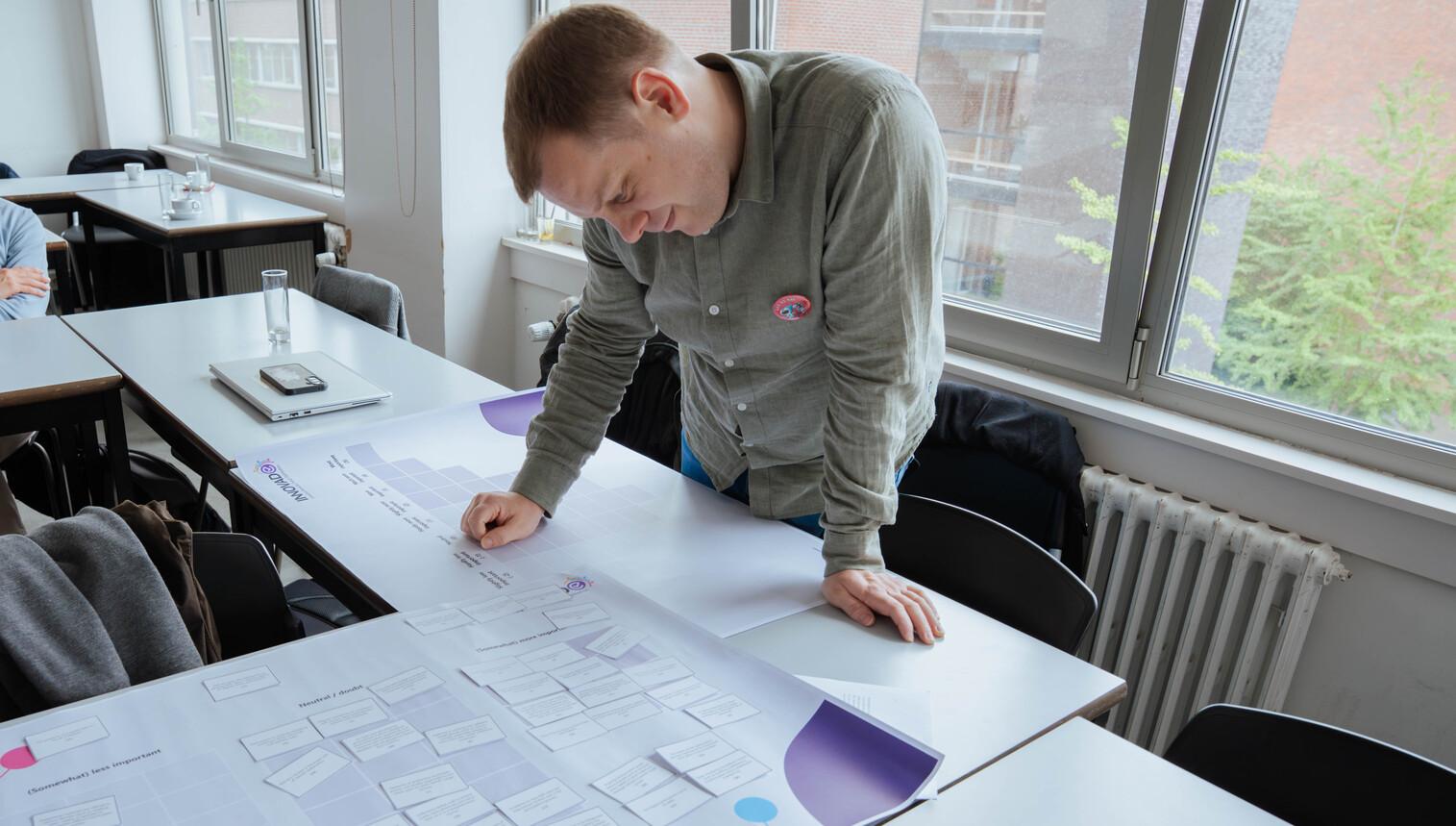
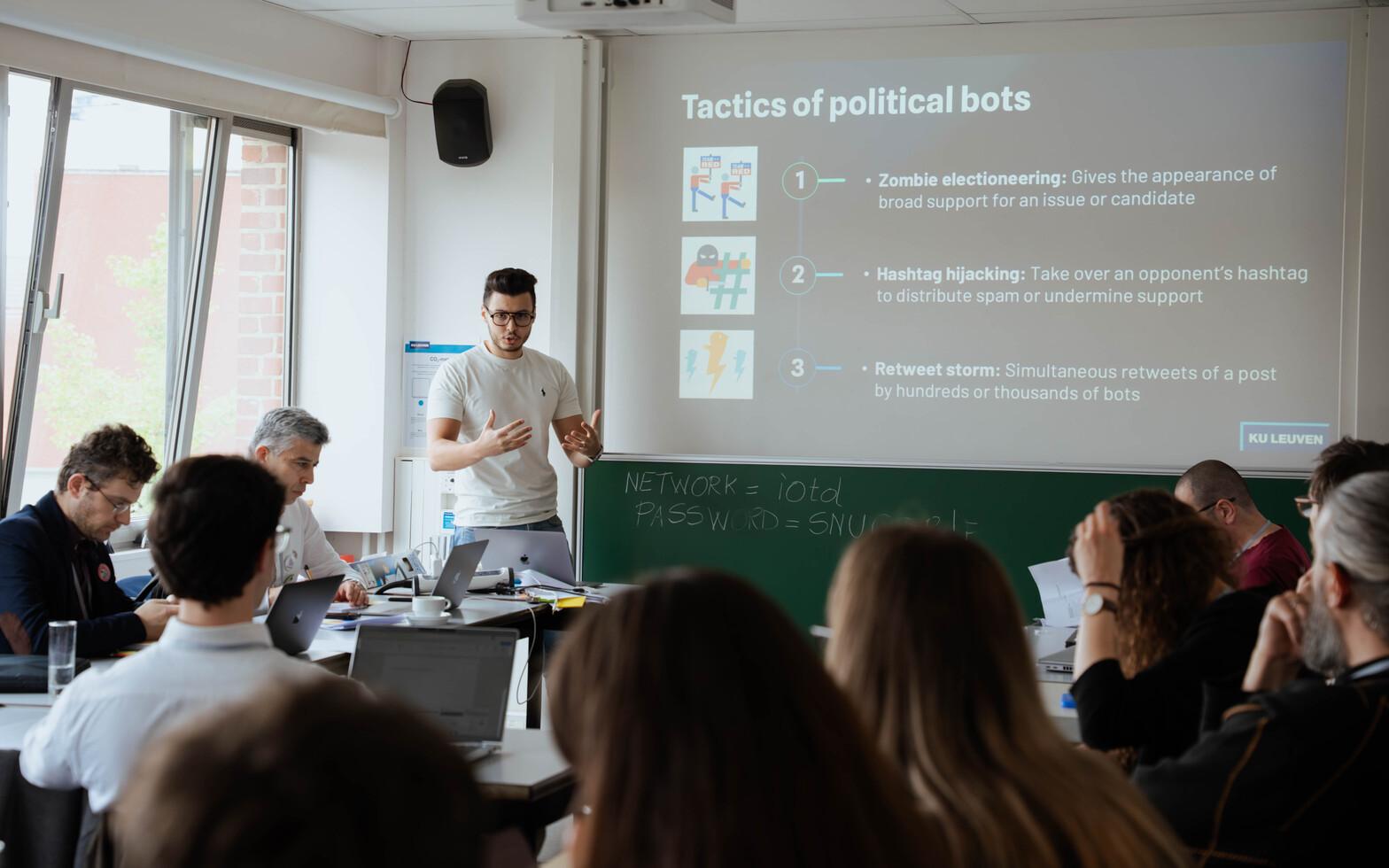
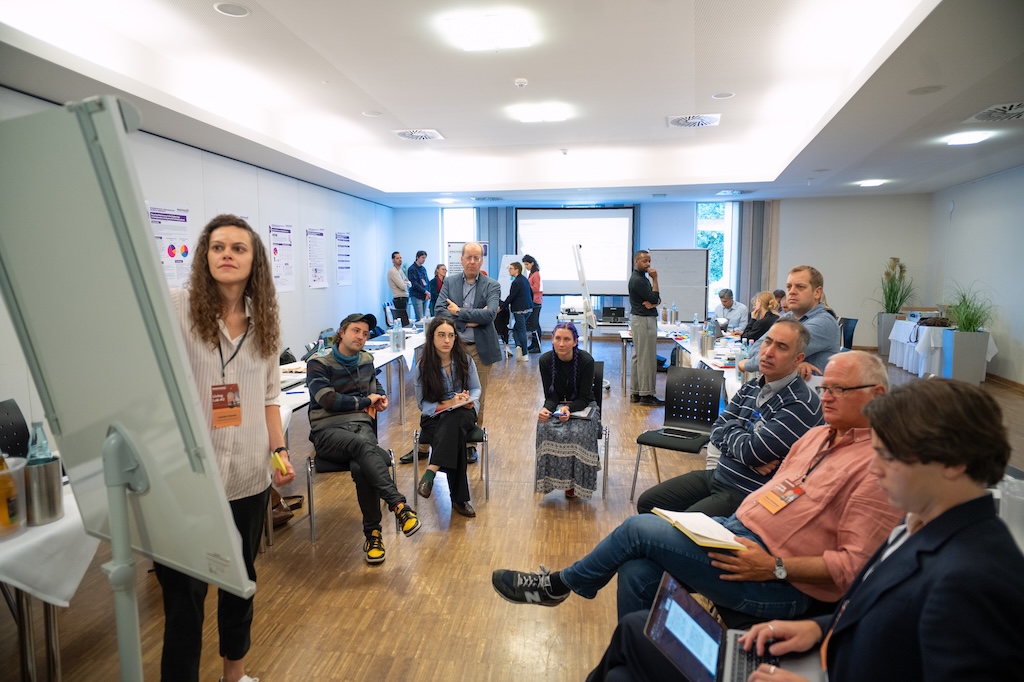
Living Lab 5 was structured as a one-day collaborative exchange combining expert panels with scenario-based co-creation workshops. The day opened with a character-selection exercise, in which participants adopted a role aligned with their professional perspective to frame their contributions, before being divided into three balanced groups, each seeded with Red Team members tasked with critically challenging emerging ideas. Two thematic expert panels — one on technological trends, one on social and regulatory trends — alternated with two structured workshops: the first tested Digital Democracy App features against three realistic municipal scenarios (Thessaloniki, Geel, and San Martín de la Vega), with groups working through proposed solutions, Red Team challenges, and refined responses for each barrier; the second used a Q-sorting exercise, in which groups ranked 41 governance-related cards across two rounds to distinguish baseline essentials from "nice-to-have" priorities for implementing digital democracy in practice. Dedicated facilitators and notetakers ensured that discussions, poster work, and card rankings were systematically documented throughout the day.
Access the Agenda
Participants
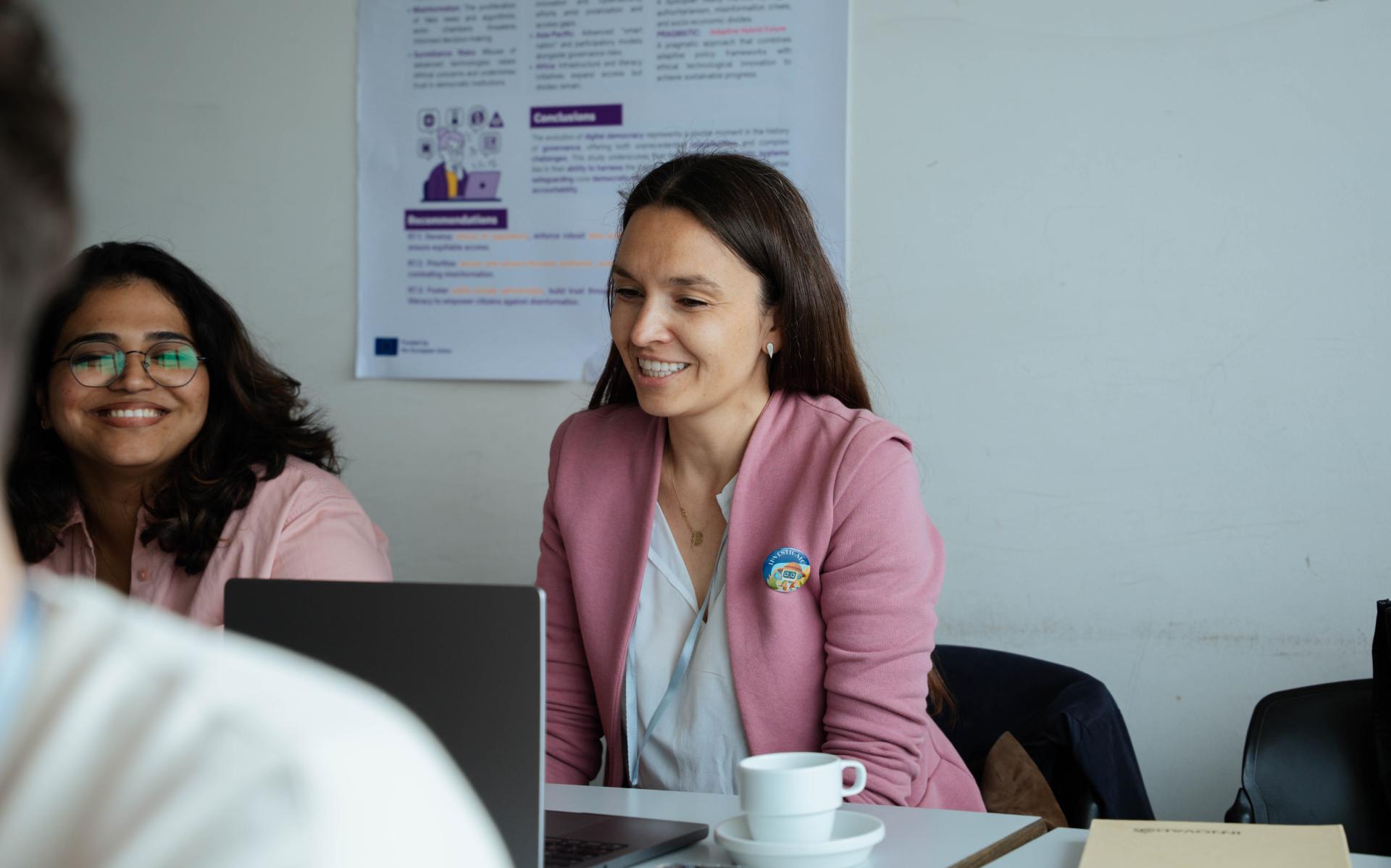
The Living Lab convened a multidisciplinary group of around 30–40 participants, including:
- Researchers from KU Leuven, University of Zurich, SciencesPo, DFKI, Radboud University, and University of Paderborn
- Government and policy representatives from Stad Geel and the European Commission
- Digital developers and legal experts from Hybrid Core, Trust-IT, ICTLC, SMALS, and the Citizen Dialogue Kit
- NGOs and civil society organisations, including EPD, ECAS, EUMANS, Make.org, and Beyond the Horizon
Takeaways
The discussions made clear that a flourishing digital democracy depends on far more than functional software. Structural barriers to participation — poor connectivity, limited digital literacy, low affordability, and eroded institutional trust — are tightly interlocked, meaning that fixing any one of them in isolation has little effect. Progress requires mobile-first design, offline functionality, and sustained public access points working together. Compounding this, the platform must navigate seven distinct regulatory domains, from the GDPR and the AI Act to the Digital Services Act and eIDAS, with particular care needed around AI systems that could influence voting behaviour and around analytics that risk exposing citizens' political opinions.
A second major theme was the tension between what citizens expect from digital tools and what democratic governance can realistically deliver. Participants repeatedly noted that citizens approach civic platforms with commercial-app expectations of speed, simplicity, and personalisation, and that the resulting friction with the genuine complexity of governance is a design failure rather than a user failure. This was reinforced by evidence that physical location, more than any specific app feature, determines who actually participates, underscoring the importance of hybrid and hyperlocal engagement strategies alongside digital ones. Rising concerns about political bots, deepfakes, and biased AI-generated content further highlighted the need for transparent, European-grounded alternatives to platforms that fall outside EU regulatory reach.
Finally, the governance workshop produced strong cross-group consensus on a set of non-negotiable priorities: embedding citizen participation into long-term institutional strategy and budgets, securing binding political commitment to act on outcomes, maintaining full transparency about process and expectations, and preserving permanent offline alternatives for those without digital access. At the same time, participants identified a significant gap in long-term business sustainability for civic-tech platforms once initial project funding ends, pointing to the need for reusable, configurable software and viable revenue models. Overall feedback on the event itself was strongly positive, with participants particularly valuing the calibre of invited speakers and the interactivity of the workshop format, while also calling for larger venues and more time for deliberation in future editions.