
Paderborn image

Living Lab #2

Envisioning Digital Democracy Based on Research and Best Practices

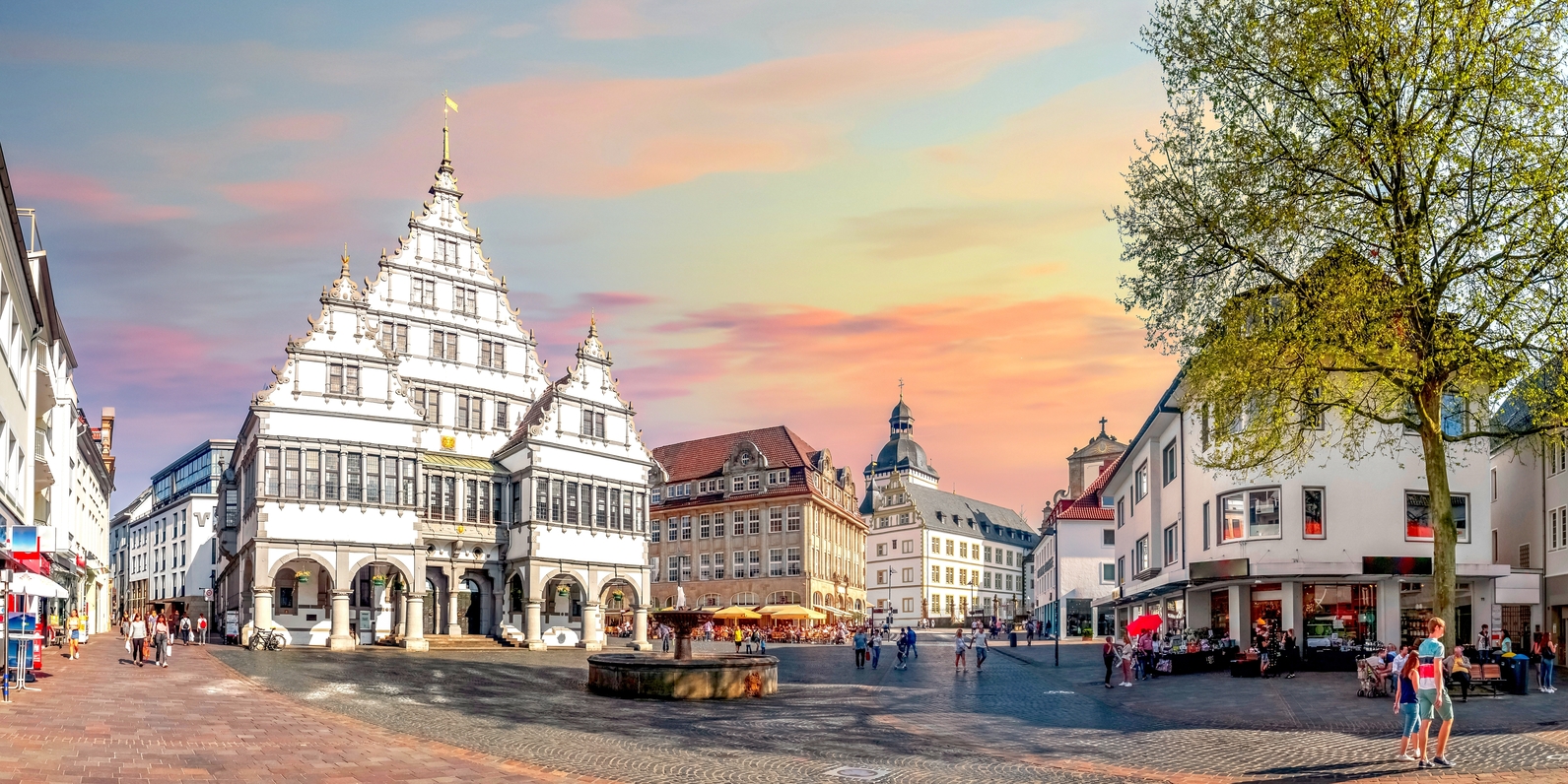
Paderborn, DE
23–24 September 2025

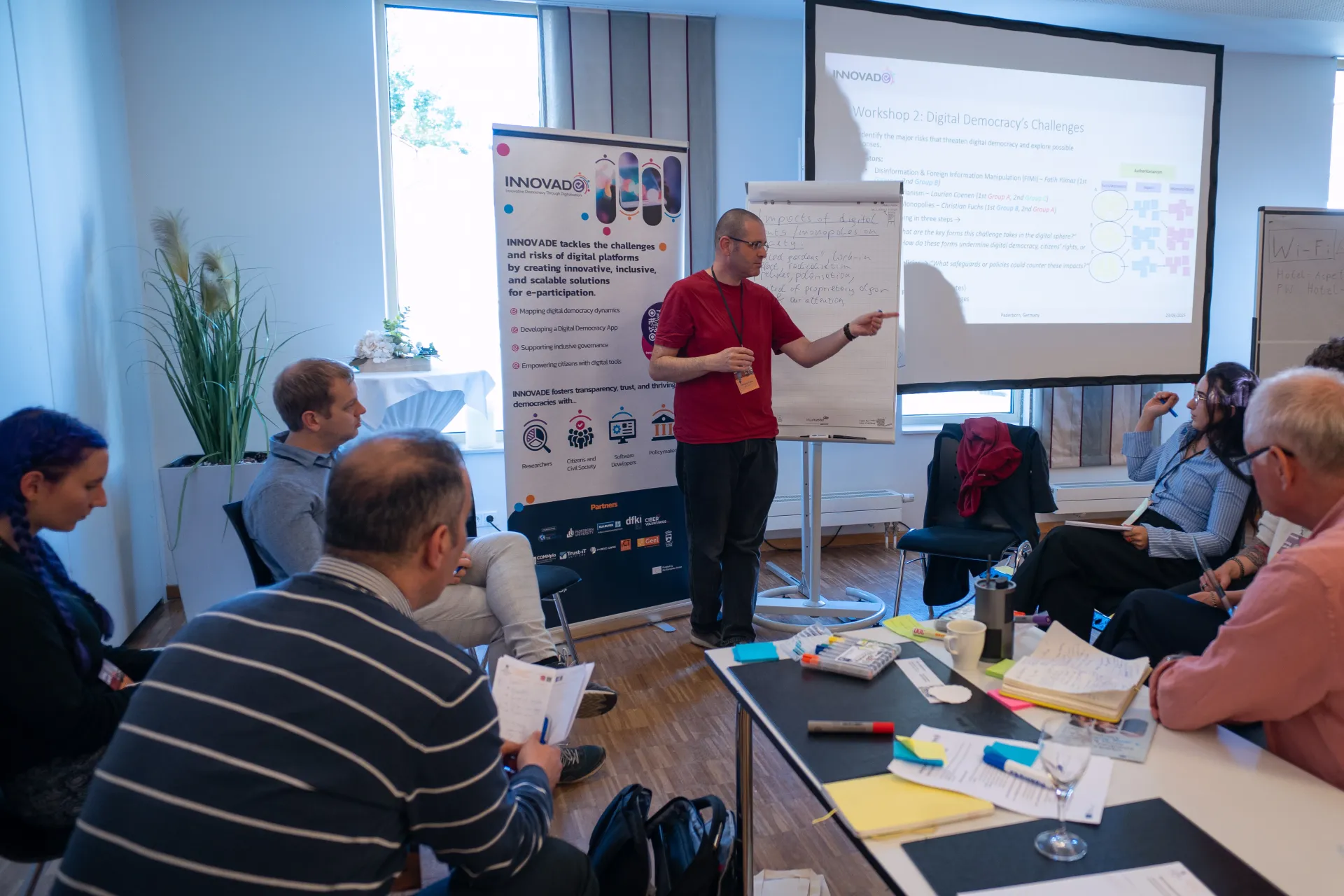
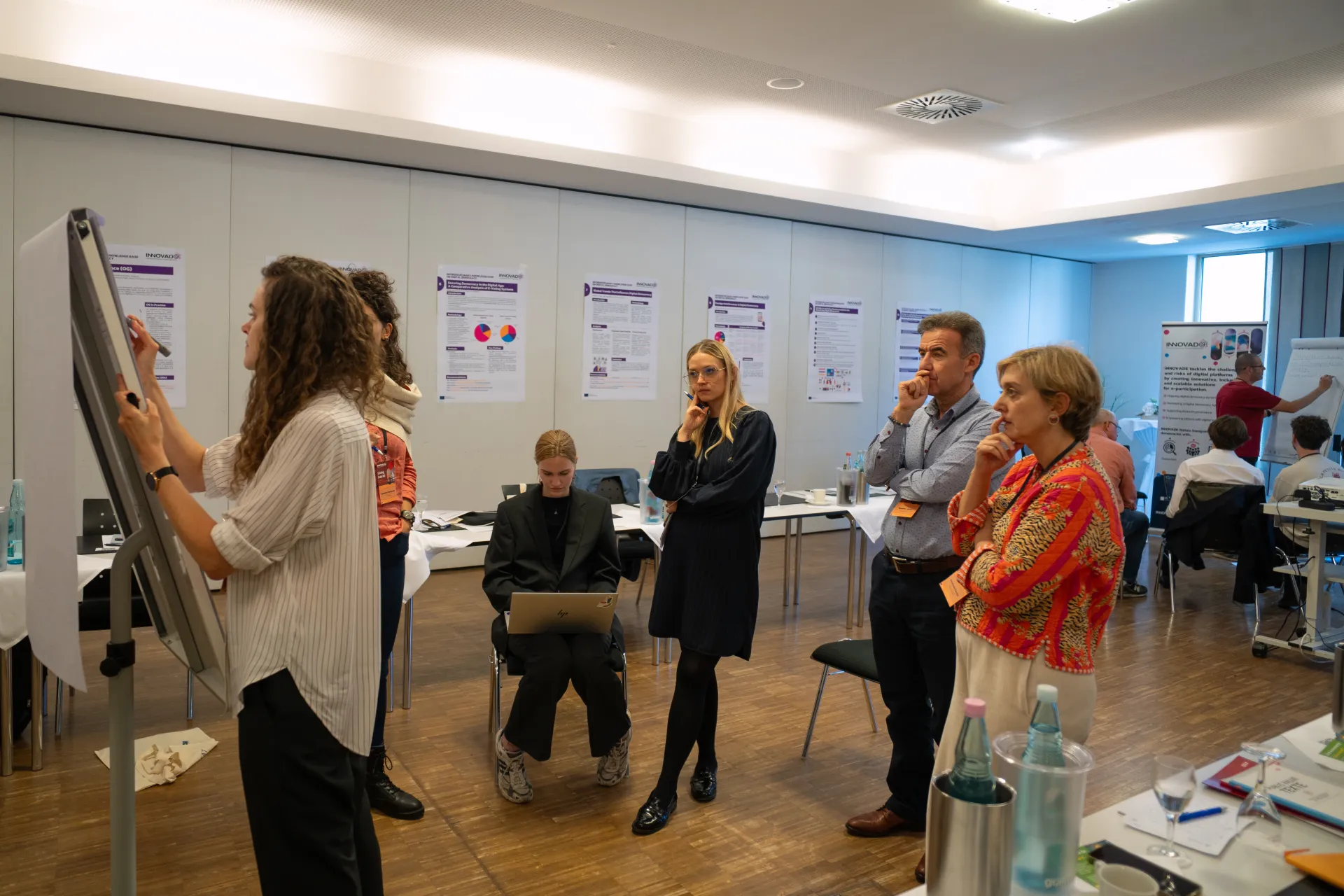
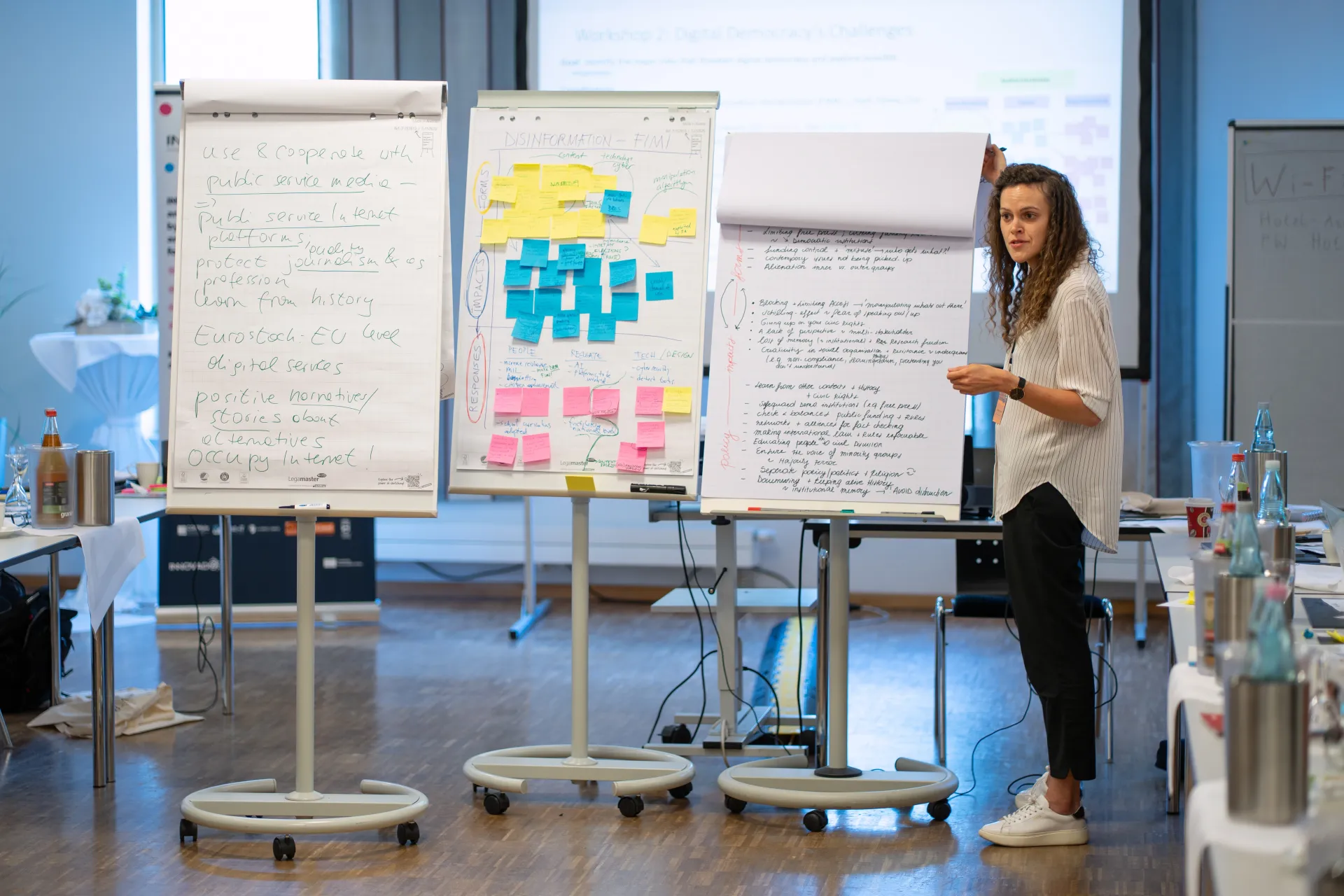
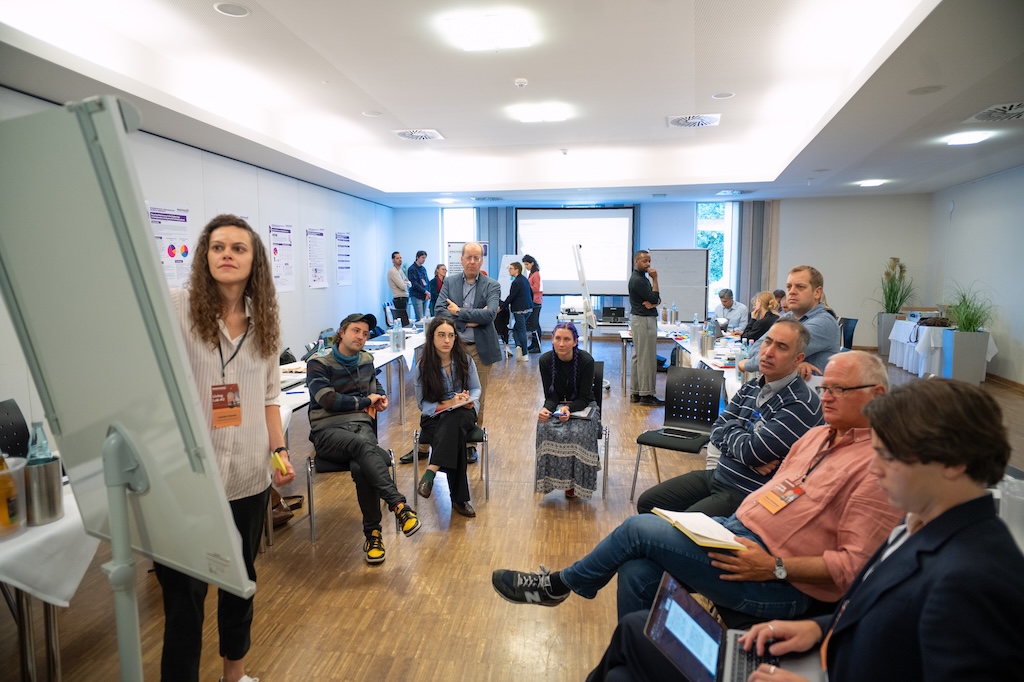
The second Living Lab was designed to collaboratively envision pathways towards an optimum digital democracy, combining insights from research, expert inputs, and practical co-creation activities. Building on Deliverable D2.1 (Interdisciplinary Knowledge Base on Digital Democracy, KER 1), the Lab aimed to:

  • Test and refine conceptual categories of digital democracy through participatory exercises.
  • Capture barriers, challenges, and risks identified by diverse stakeholders.
  • Translate abstract ideals into practical policy recommendations.
  • Generate material to inform future project work packages (notably WP3 and WP4).

The very lively workshop discussions showed that digital democracy is a key priority for the future of the EU and that it is a multidimensional and complex issue that requires interdisciplinary research efforts as undertaken in INNOVADE. One key takeaway is that the US big tech corporations dominate digital communications and that in order to make EU democracy resilient to authoritarianism new European approaches that go beyond imitation and regulation of Silicon Valley are needed. The workshop suggested to foreground ideas such as public-interest platforms, the digital commons, public/commons partnerships, and public service media/Internet platforms, alternative platforms, etc.

Christian Fuchs
UPB
Christian Fuchs

Findings

The findings provide a comprehensive roadmap for the future of digital democracy, focusing on three core pillars and addressing critical global challenges.

Core Dimensions of Digital Democracy

The research identifies three primary areas essential for a healthy digital democratic ecosystem:

  • Online Participation (e-Participation): Designed to complement, not replace, local civic structures. It emphasizes using digital tools for political decision-making, such as Porto Alegre’s participatory budgeting and Barcelona’s Decidim platform.
  • Open Governance (OG): Aims to foster transparency and collaboration between the state and external actors (citizens, academia, business) to restore public trust and enhance the legitimacy of policy-making.
  • Digital Activism: Recognizes that even small digital acts—like sharing, commenting, or using hashtags—accumulate significant political weight. It emphasizes the need for authentic civic voices and decentralized participation.

Global Trends and Strategic Challenges

The Lab analyzed the broader landscape, highlighting several "pressure points" for modern democracy:

  • E-Voting Realities: While e-voting increases accessibility, its success depends on balancing privacy, security, and public trust. The report notes that no single design is perfect, and adoption remains fragmented across Europe.
  • Foreign Information Manipulation and Interference (FIMI): A analysis of 109 cases (2020–2025) shows that Russia and China are primary actors using tactics like "fake news," bot swarms, and deepfakes to polarize voters and drown out authentic voices .
  • Big Tech Monopolies: A handful of US and Chinese firms control the "gateways" of deliberation. Their ad-driven, engagement-maximizing algorithms often reward outrage and create "walled gardens" that fragment public discourse.

The 2035 "Ideal State" and Policy Directions

Participants envisioned a future where digital democracy is seamless, inclusive, and embedded in daily life. To reach this, the report recommends:

  • EU Level: Scaling public-interest digital infrastructures and public Internet platforms to reduce reliance on Big Tech and strengthen digital sovereignty.
  • National Level: Implementing labor reforms, such as reduced working hours with full wage compensation, to give citizens the time and capacity to participate meaningfully in democratic processes.
  • Local Level: Appointing "participatory directors" or ambassadors within municipalities to ensure citizen input systematically shapes local decisions.

In essence, there is no "technological fix" for political problems. Digital democracy is a socio-political design process that requires continuous adaptation, strong institutional commitment, and a "culture of care".

Recommendations

Living Lab #2 confirmed many of the findings from D2.1 but also added important depth and practical detail. Participants strongly reinforced the importance of inclusivity, transparency, and resistance to corporate monopolisation, which had already been identified in D2.1. At the same time, they provided new insights on how these principles can be made workable. For example, while D2.1 highlighted the need for accessible digital platforms, the Living Lab stressed that online-only solutions risk excluding people, and proposed hybrid formats that combine digital tools with face-to-face gatherings.
These outputs are directly relevant to WP3 (Pilots and Case Studies). They give the pilots:

  • Clear priorities to test, such as everyday participation that fits into citizens’ routines, accessible interfaces for people with low digital literacy, and visible feedback loops that show how input translates into decisions.
  • Concrete design ideas that can be trialled, including participatory directors at the local level and hybrid participation strategies.

The event also included a first presentation of the Digital Democracy Toolkit, which is being developed as a way to grade and assess digital democracies. While still in progress, it was received as a promising instrument for identifying strengths and weaknesses in democratic practices. This will be particularly useful in WP3, where pilots can be benchmarked against common criteria, and later compared across different national and local contexts.

Overall, Living Lab #2 served as a bridge between the analytical work of D2.1 and the experimental phase of WP3. It confirmed that the challenges identified earlier remain central but also translated them into actionable ideas and dilemmas for pilots to explore.