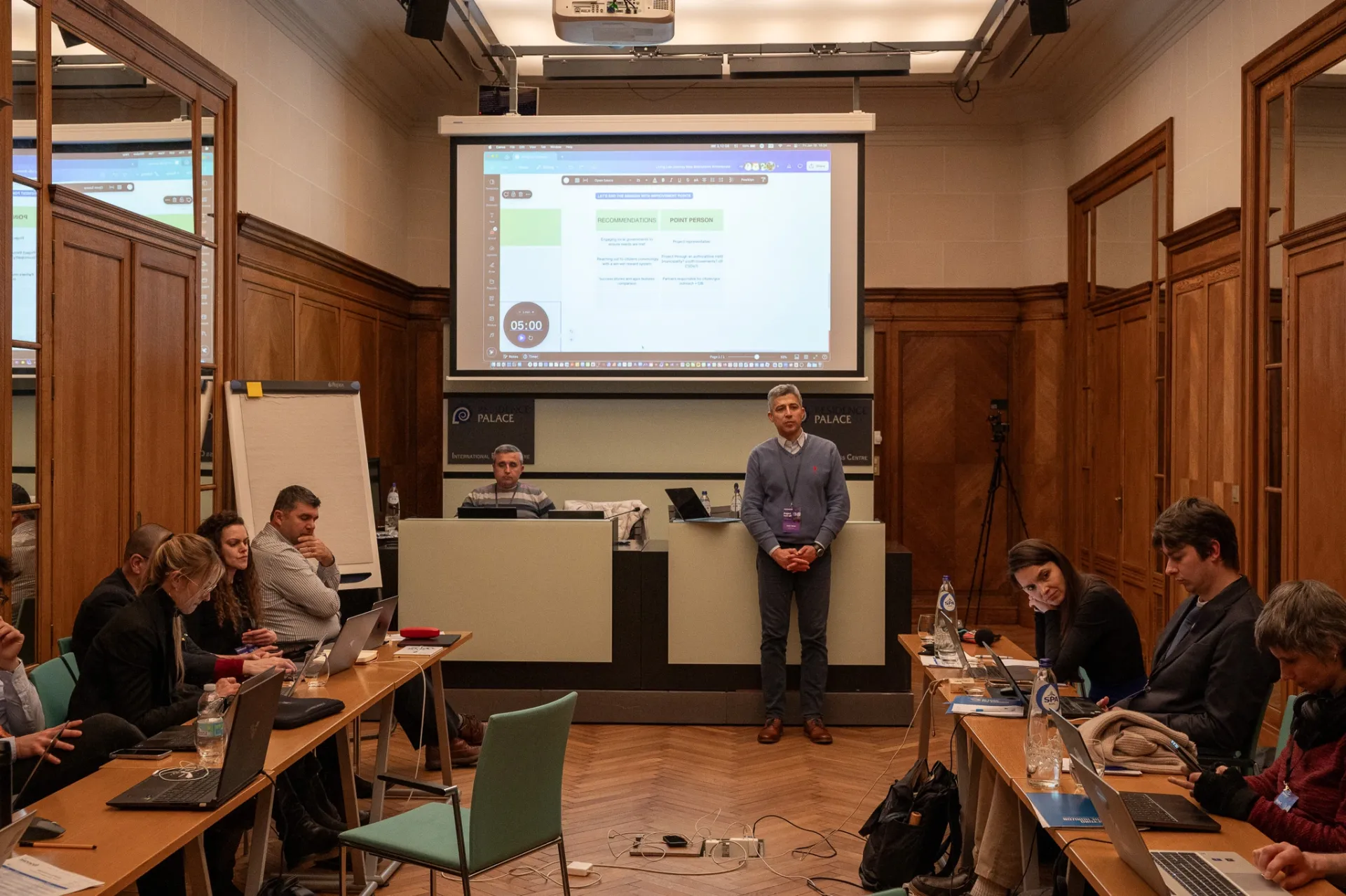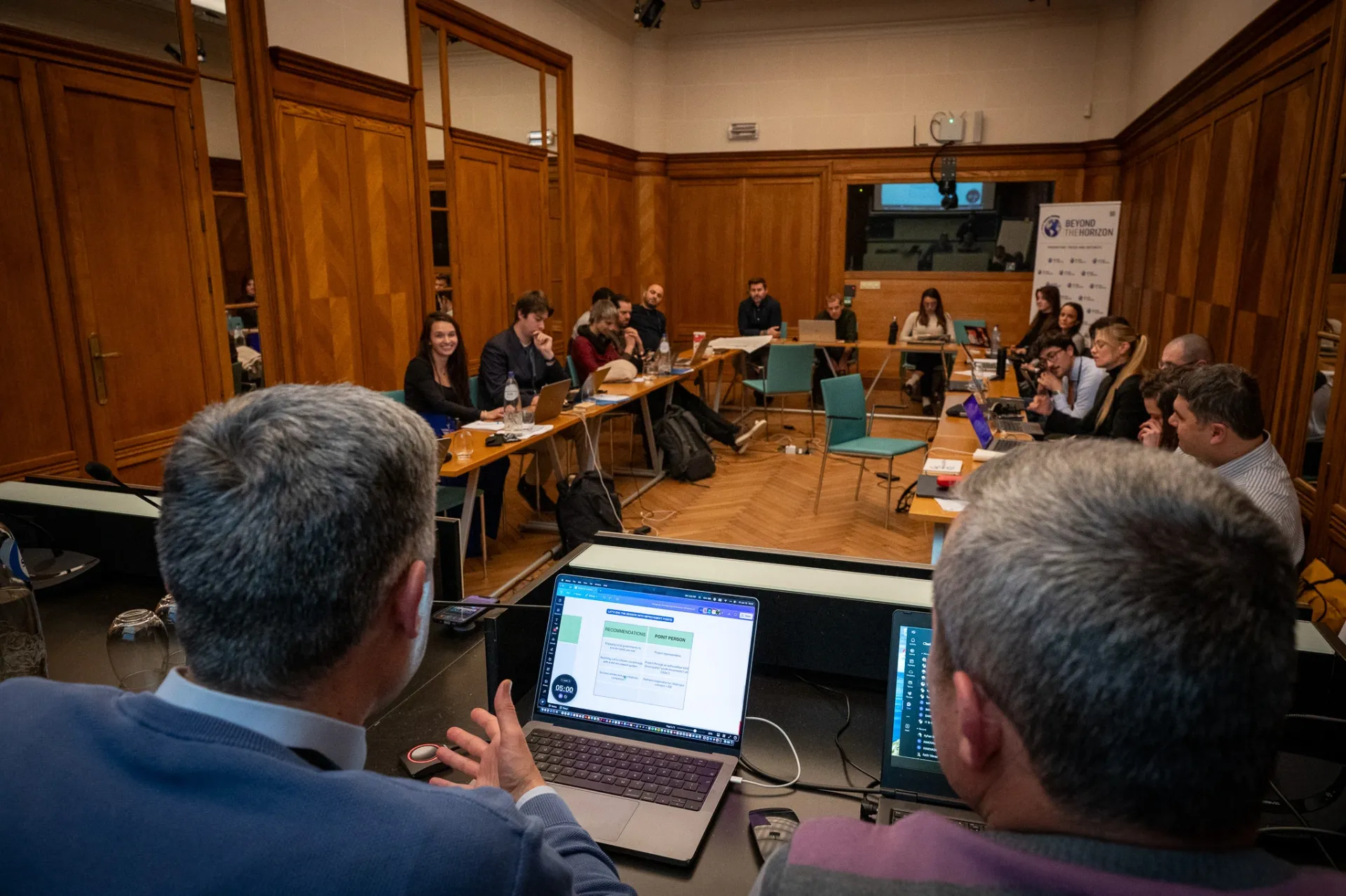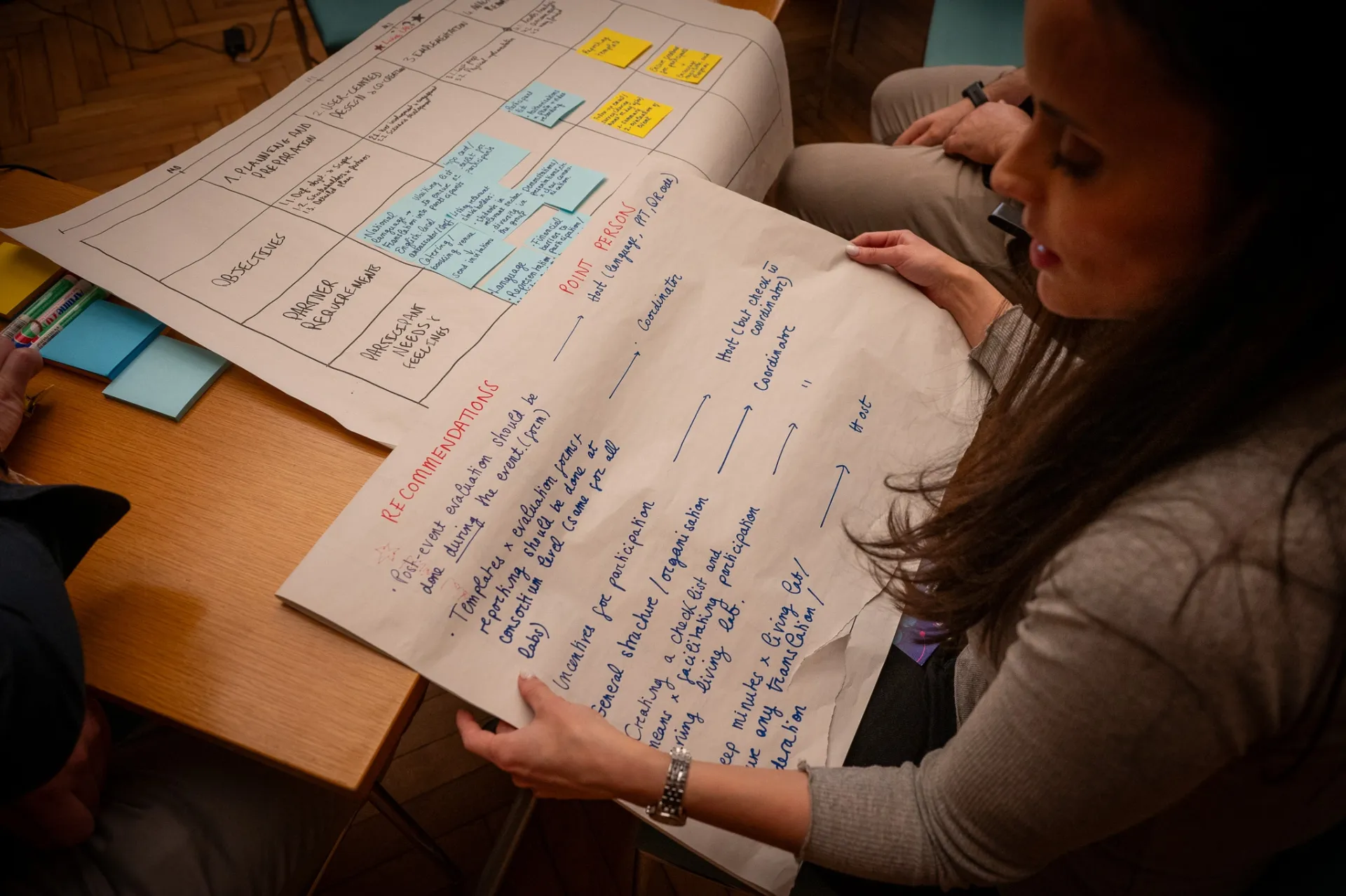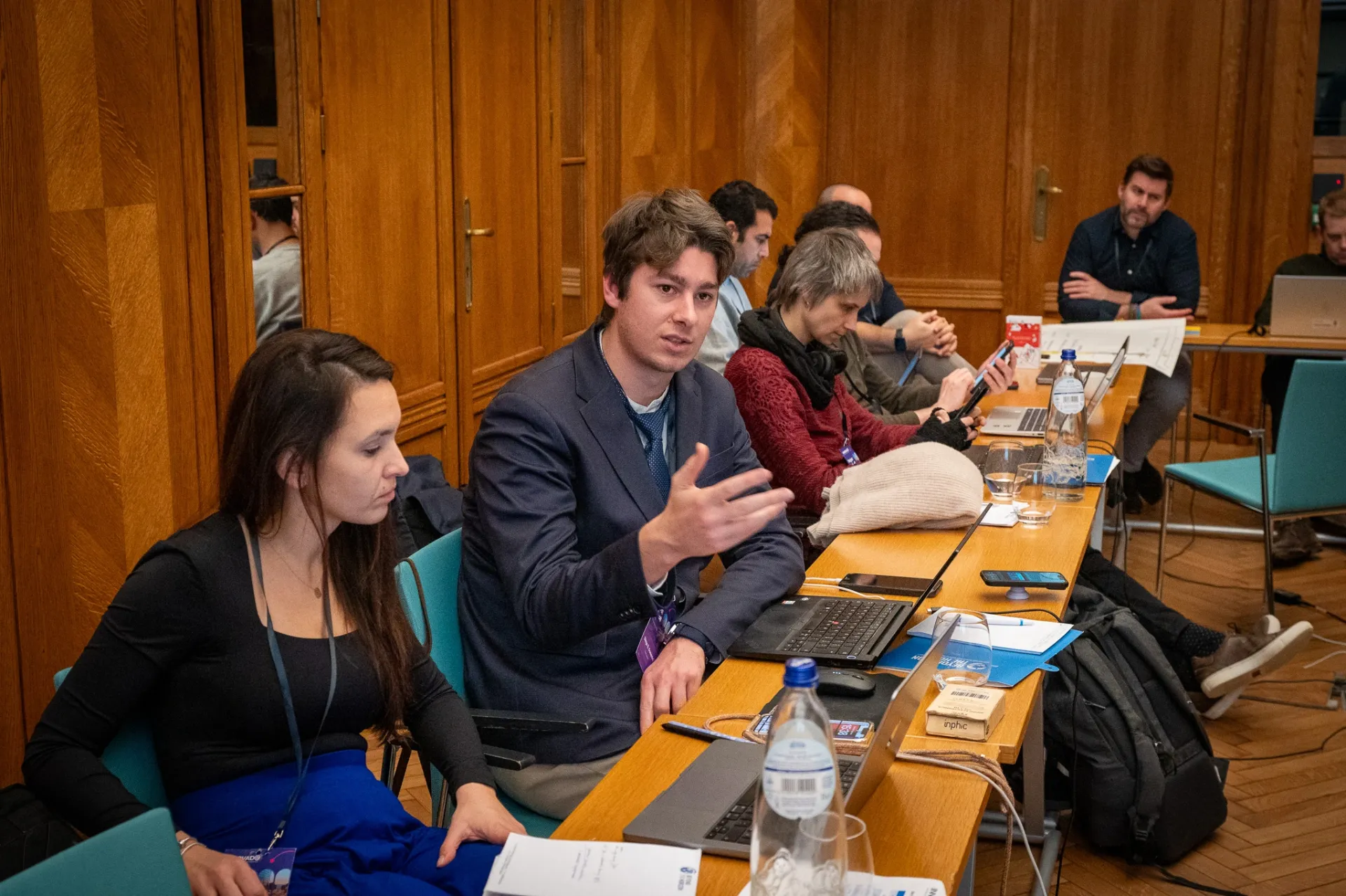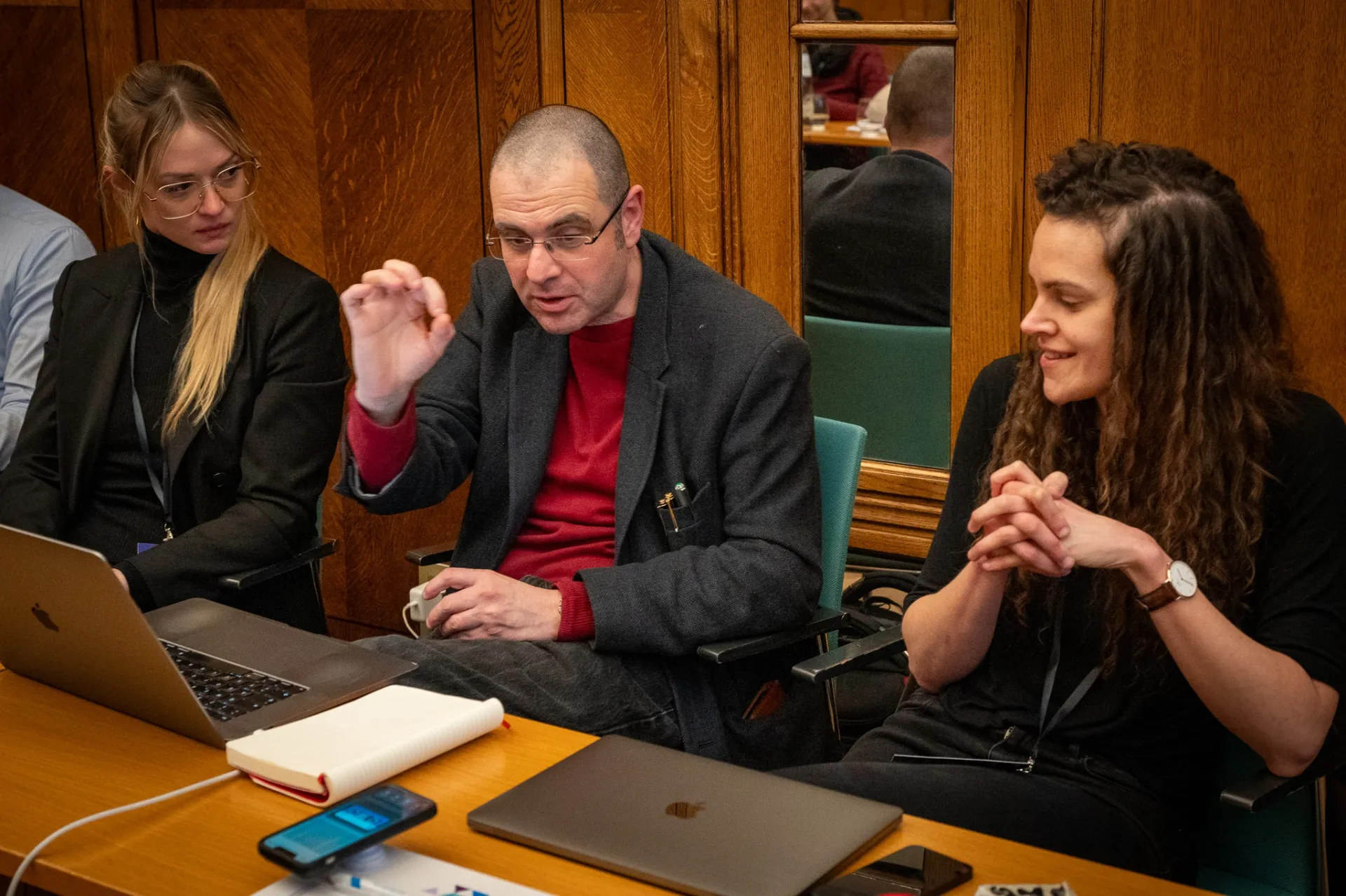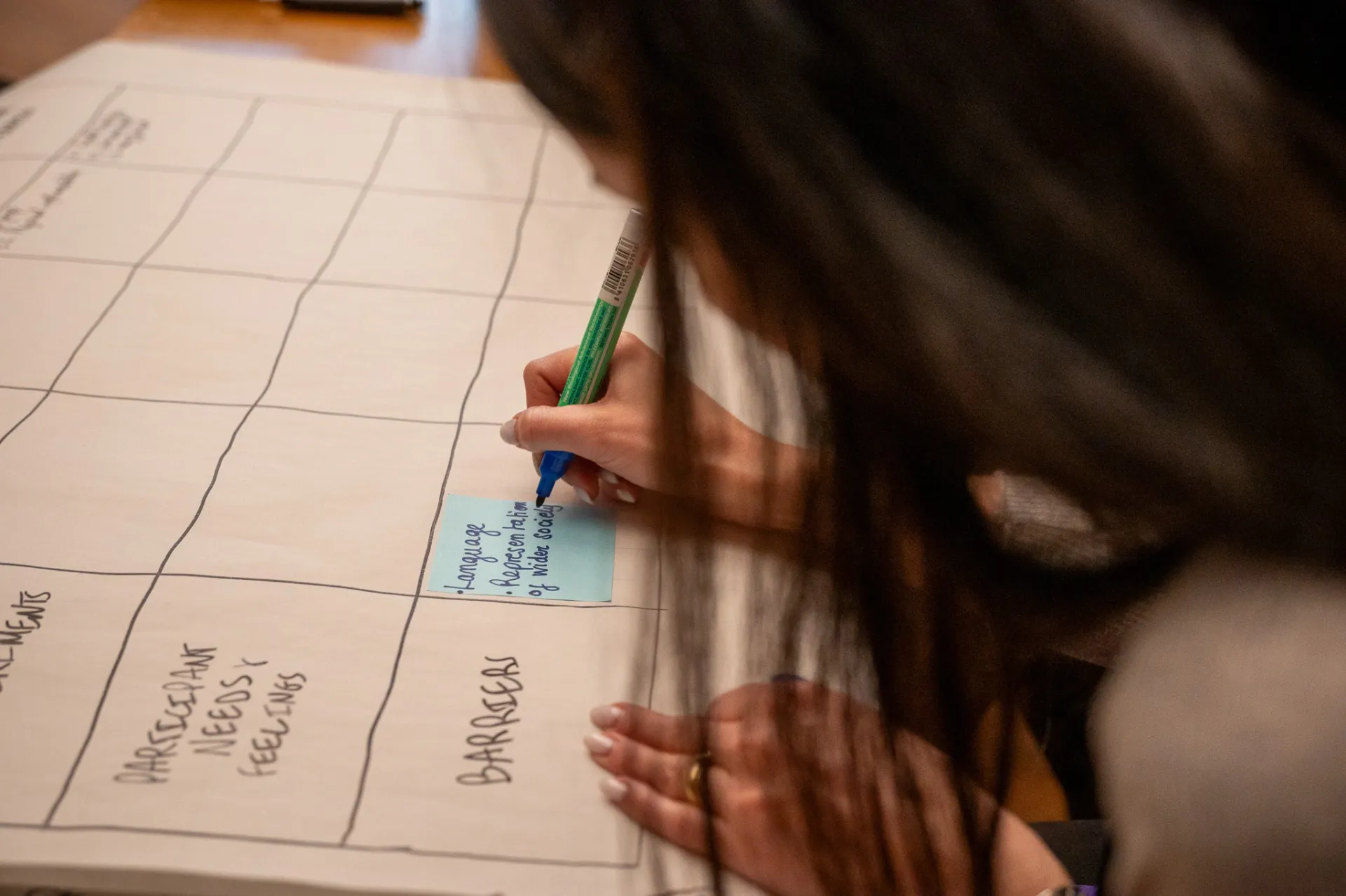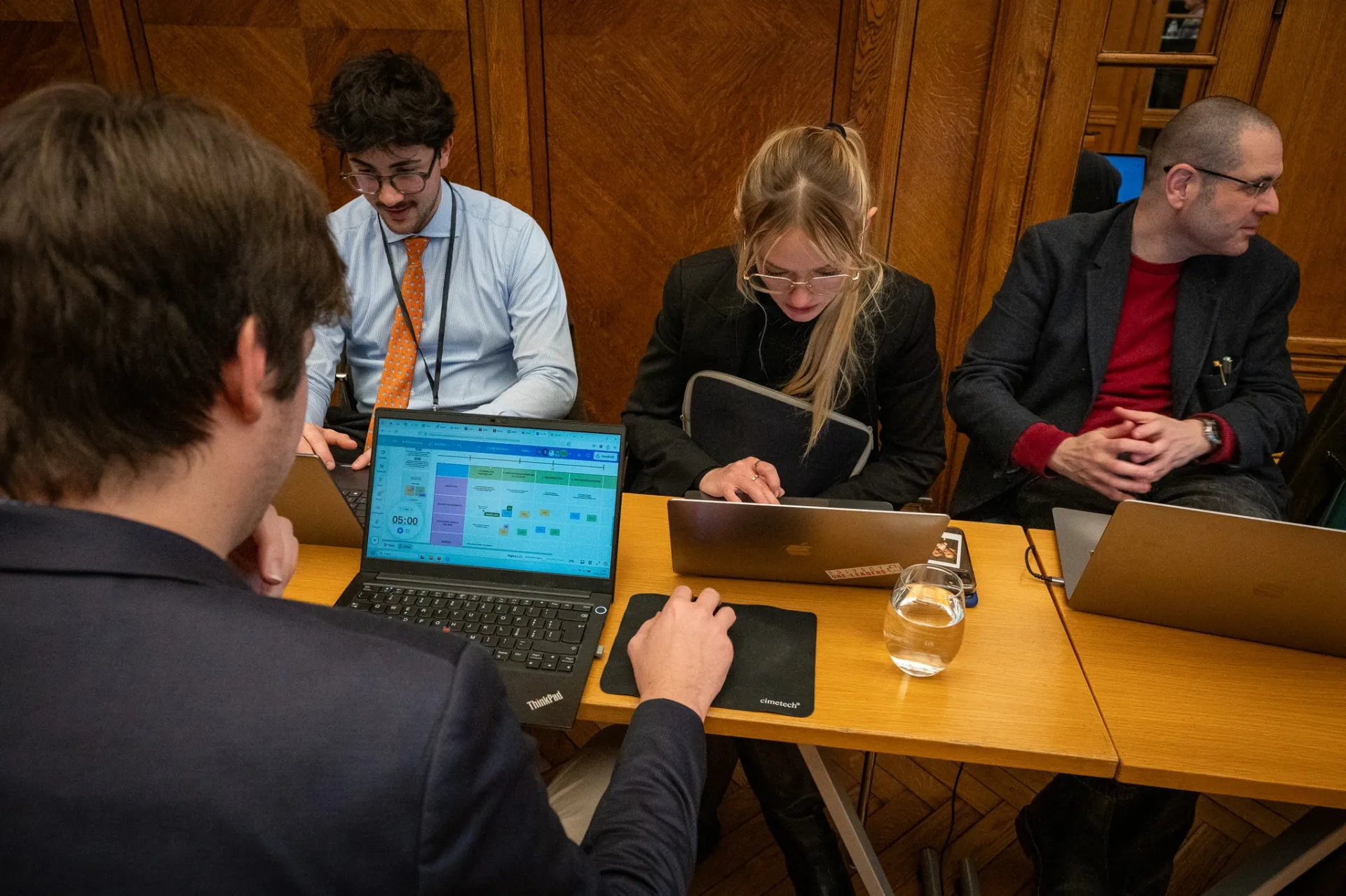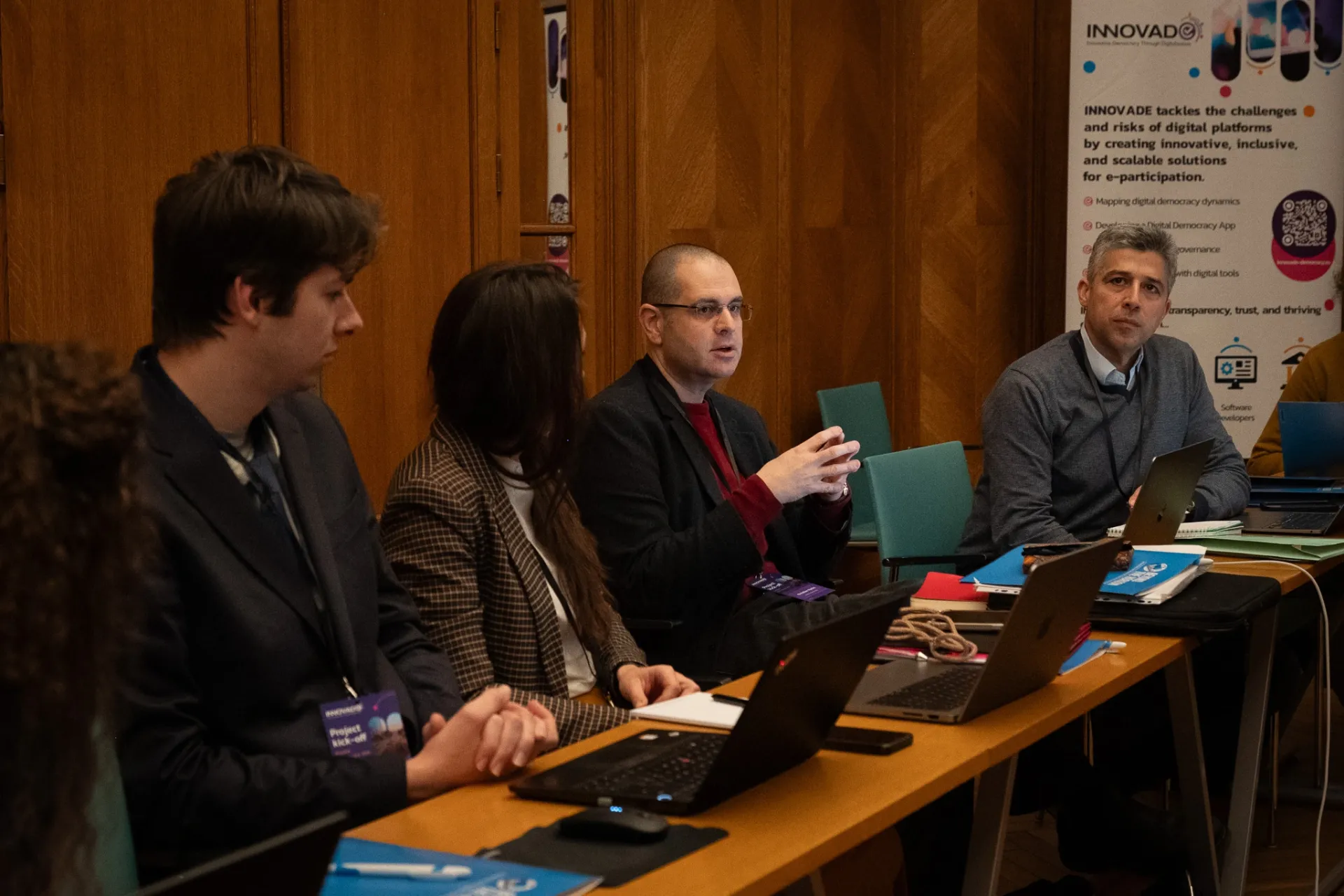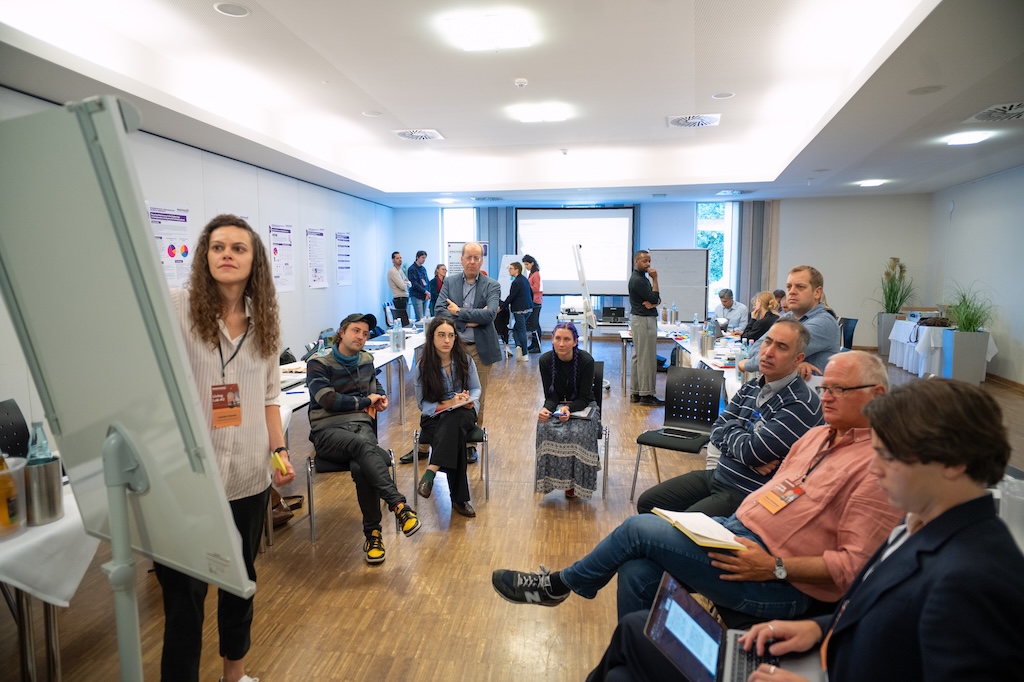

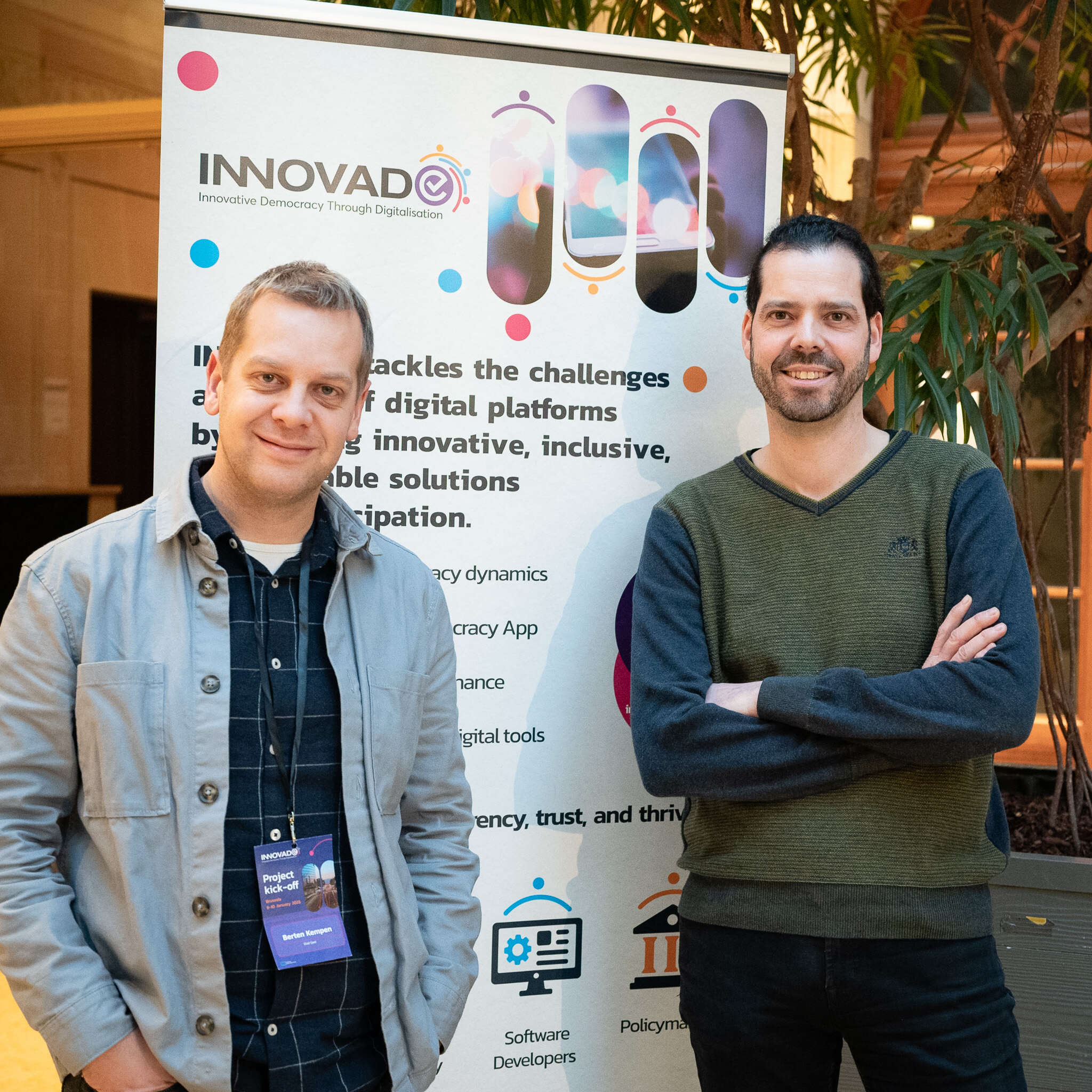
The first Living Lab was designed to develop a Living Lab methodology for the INNOVADE project, ensuring a coordinated and coherent approach across all Living Labs and the project’s three-year duration. The methodology facilitates collaboration among stakeholders from diverse sectors, fostering co-creation in digital democracy initiatives. By employing co-creation as the guiding methodology, Living Labs will generate meaningful insights and tangible outcomes that enhance digital democracy. The structured approach, informed by theoretical foundations and real-world applications, ensures that the methodology is adaptable and scalable.
Methodology and Techniques
The Living Lab devised a core methodology used in subsequent Living Labs to transform theoretical concepts into actionable strategies. The approach is designed to be iterative, collaborative, and stakeholder-driven, ensuring that developed solutions are both creative and robust.
The methodology is structured into five distinct phases:
- Understanding
The initial cornerstone of the project, this phase uses analytical thinking to deconstruct complex problems related to digital democracy. It ensures all stakeholders share a common level of knowledge regarding concepts like governance and participation to facilitate productive future discussions.
Key Techniques: Journey Map, Stakeholder Map, and Empathy Map.
- Framing
This phase places identified themes into real-life contexts, setting clear boundaries, goals, and success criteria for the development process. It bridges the gap between theoretical problems and a defined path for resolution.
Key Techniques: Service Map, Futures Wheel, Backcasting, and Mind Maps.
- Ideating
The ideation phase encourages a high volume of creative ideas from participants of diverse backgrounds. The most promising and original concepts are then refined for potential implementation.
Key Techniques: Round Robin, Storyboard, and refined versions of Mind Maps and Backcasting.
- Evaluating
In this phase, stakeholders critically assess the viability, feasibility, and emotional resonance of proposed ideas. This ensures that only the most impactful concepts align with the project's strategic objectives.
Key Techniques: SWOT Analysis, Heart Head Hand, Rose Thorn Bud, and World Café.
- Testing
The final phase involves testing the prototype application in real-world scenarios. This iterative process gathers user performance data and feedback to ensure the solution is ready for full-scale implementation.
Key Techniques: Storyboard and Service Map (re-applied for prototype assessment)
Implementation
This Living Lab provides a structured, four-stage framework for conducting future Living Labs within the INNOVADE project. The methodology ensures that research and experimentation lead to tangible outcomes, such as a digital democracy application and actionable policy tools.
Planning and Preparation
Successful Living Labs begin with a clear foundation to ensure all stakeholders understand the project's value.
- Objectives and Scope: Organizers must define specific goals, such as improving citizen engagement or testing voting technologies, while clearly outlining the benefits for both public sector agencies and individual citizens.
- Stakeholder Identification: A diverse and representative base is recruited, including government agencies, NGOs, academia, and private partners.
- Scenario Development: Real-life use cases (e.g., e-participation or digital activism) are developed to simulate governance challenges and test proposed solutions.
- Detailed Project Plan: A timeline with milestones is created to manage logistical considerations like funding, technology, and participant roles.
User-Centric Design and Co-Creation
This stage moves from planning to active collaboration, putting the "co-creation" philosophy into practice.
- Engagement Activities: Through workshops, focus groups, and collaborative design sessions, users directly shape the development of digital tools.
- Supportive Environment: Clear guidance, preparatory materials, and expert moderators are used to empower participants who may lack confidence in their technical or civic skills.
Iterative Implementation
The project employs a robust data collection strategy to refine the digital democracy application before its full-scale release.
- Comprehensive Data Collection: A mix of qualitative (interviews, focus groups) and quantitative (app usage metrics, surveys) data is gathered to identify usability barriers.
- Ethics and Compliance: All data collection strictly adheres to ethical guidelines and legal frameworks, including the GDPR and the AI Act, to maintain participant trust.
Analysis and Reporting
The final stage focuses on synthesizing the gathered insights to inform the broader project and future policy.
- Integrating Findings: Data from the Living Labs is combined with research from other work packages to create a holistic view of the project's impact.
- Outcome Reporting: Detailed, documented reports for each Living Lab are produced, featuring visual aids like charts and infographics to make findings accessible.
- Recommendations: Actionable steps are defined to improve the final product and provide inputs for future digital governance